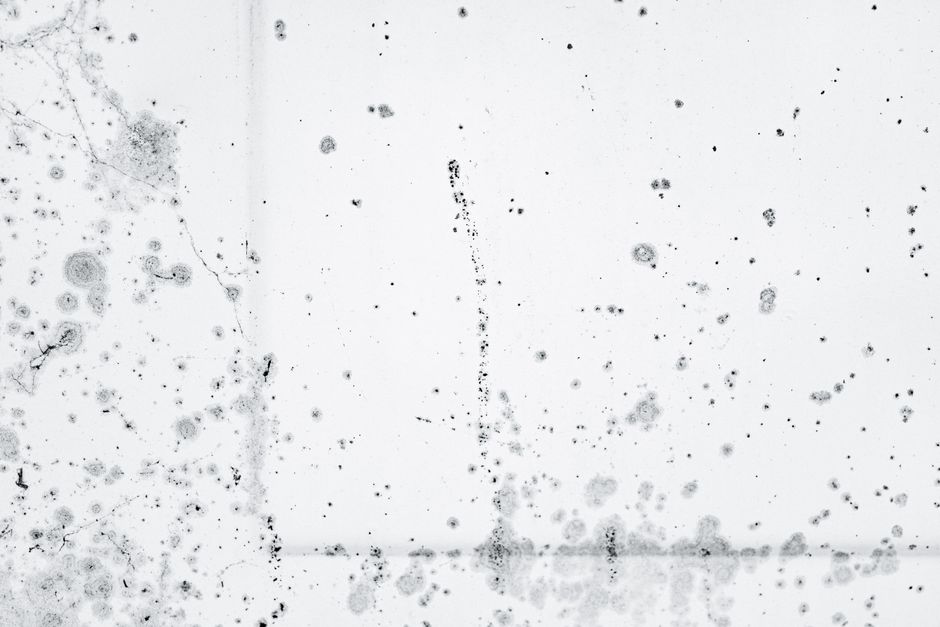
Prevent mold after water damage Tampa residents face a crucial challenge: acting fast to avoid costly mold growth and structural damage. Water intrusion from storms, leaks, or floods creates an environment where mold spores thrive within 24 to 48 hours.
Local water damage restoration contractors emphasize that immediate steps can significantly reduce the risk of health hazards and expensive repairs. Tampa’s humid climate further accelerates mold development, making prompt drying and cleaning essential.
Homeowners looking to prevent mold after water damage Tampa often need guidance on effective moisture removal methods, proper ventilation techniques, and when to seek professional help. Taking swift action limits mold contamination, protecting indoor air quality and property value in this Florida city.
Why It Matters in Tampa
Tampa's humid subtropical climate creates an environment where water damage can quickly lead to mold growth if not addressed promptly. Local building materials and soil types can retain moisture, increasing the risk of hidden mold development.
Taking within 24 to 48 hours is critical to limit structural damage and protect indoor air quality. For Tampa residents, understanding these factors helps minimize costly repairs and health hazards associated with prolonged mold after water damage.
Assessing Immediate Safety and Stopping the Water Source in Tampa Homes
When Tampa homeowners encounter water damage, the first step is to ensure personal safety before attempting any mitigation. Because electrical hazards often accompany flooding or leaks, it is crucial to avoid contact with standing water near electrical outlets or appliances.
Turning off the main electrical power at the breaker panel can reduce the risk of shock or fire during initial assessment.
Identifying and stopping the source of water intrusion promptly is essential to minimize further water damage and reduce the risk of mold growth. Tampa properties frequently experience leaks from broken pipes, faulty appliances, or roof damage after storms.
Locating the source may involve inspecting visible plumbing lines, checking appliances like water heaters or washing machines, and looking for signs of leaks in ceilings or walls.
Steps to Stop the Water Source Safely in Tampa Homes
- Locate the main water shutoff valve: This valve typically resides near the water meter or where the main water line enters the home. Closing it halts incoming water and limits further flooding.
- Avoid electrical contact: Before shutting off water, ensure power is off to affected areas to prevent electrical hazards.
- Use caution with damaged fixtures: Broken pipes or valves may require professional assistance; avoid causing additional damage.
- Document the damage: Taking photos of the affected areas can assist with insurance claims and restoration planning.
Tampa’s humid climate can accelerate mold development within 24 to 48 hours after water exposure, so acting quickly to secure safety and stop the water source is critical. Homeowners should prioritize these initial steps before moving on to water removal and drying processes.
Effective Water Removal and Drying Techniques to Prevent Mold Growth
After water damage occurs, removing standing water quickly is essential to prevent mold growth. Tampa’s humid climate exacerbates the risk, as moisture lingers longer in indoor environments.
Local contractors typically recommend using wet vacuums or pumps to extract water from floors, carpets, and other affected surfaces within the first 24 to 48 hours.
Thorough drying of the affected areas follows water removal. This step often involves deploying industrial fans and dehumidifiers to accelerate evaporation and reduce indoor humidity levels. Tampa homes, subject to high humidity, require powerful equipment to maintain dry conditions and inhibit mold spores from settling and multiplying.
Key Drying Techniques to Reduce Mold Risk
- Use multiple fans to circulate air across wet surfaces, increasing evaporation rates.
- Deploy dehumidifiers capable of handling Tampa’s high moisture levels; these devices extract excess water vapor from the air.
- Open windows and doors when weather permits, improving ventilation and helping moisture escape.
- Remove wet materials such as carpet padding or drywall that cannot be dried quickly to prevent mold development inside walls or flooring.
- Monitor humidity levels using a hygrometer; aim for indoor relative humidity below 60% to discourage mold growth.
Homeowners looking for effective drying should expect to combine these methods promptly. The sooner drying begins, the lower the chance that mold colonies will establish.
Professional contractors in Tampa often emphasize that controlling moisture through proper water removal and drying is the most critical step in minimizing health hazards associated with mold after water damage.
Common Mistake to Avoid
One common mistake Tampa homeowners make after water damage is delaying thorough drying and ventilation. In a humid climate like Tampa, leaving affected areas damp for more than 24 to 48 hours significantly increases the risk of mold development.
This delay creates an ideal environment for mold growth, leading to costly remediation and potential health hazards. to dry and ventilate spaces is critical to protect property and family health.
Proper Cleaning and Disinfection Methods After Water Damage in Tampa
After water damage occurs in Tampa homes, thorough cleaning and disinfection are critical to eliminate contaminants that encourage mold spores to thrive. The humid climate in Tampa creates an ideal environment for microbial growth, so addressing affected areas with effective disinfectants helps reduce the risk of long-term mold development.
Homeowners should begin by removing all debris and thoroughly cleaning surfaces with detergents designed to break down organic matter left behind by water intrusion. Following this, applying EPA-registered disinfectants specifically formulated to kill bacteria, viruses, and fungi is essential.
These products target invisible mold spores and other pathogens that standard cleaning might miss.
Recommended Cleaning and Disinfection Steps
- Remove loose debris: Clear out damaged materials and dirt from affected areas to prevent further contamination.
- Use detergent solutions: Clean hard surfaces with a detergent to eliminate residues that support microbial growth.
- Apply EPA-registered disinfectants: Select disinfectants effective against mold and bacteria; follow manufacturer instructions for concentration and contact time.
- Focus on porous materials: Pay special attention to porous items like drywall and carpeting, as they can harbor mold spores more easily.
- Ensure proper ventilation: While cleaning and disinfecting, adequate airflow helps dry surfaces and reduce humidity that fosters mold growth.
By implementing these cleaning and disinfection methods, Tampa homeowners can significantly limit the proliferation of mold spores after water damage. Proper care at this stage is crucial to maintaining a safe indoor environment and preventing costly structural damage linked to unchecked mold infestation.
When and Why to Contact Professional Water Damage Restoration Services in Tampa
Homeowners experiencing water damage in Tampa should consider contacting professional water damage restoration services when the affected areas exceed a few square feet or when the water intrusion involves contaminated sources such as sewage.
Tampa professionals are equipped to handle complex situations where mold prevention is critical due to the city's humid climate, which accelerates mold growth and mold spores proliferation.
In scenarios involving extensive structural damage, hidden moisture within walls, or persistent dampness after initial drying efforts, Tampa restoration experts use advanced equipment and techniques to thoroughly dry and treat the property.
This reduces the risk of long-term health hazards and further damage Tampa homes might sustain from unchecked mold development.
Benefits of Hiring Professional Water Damage Restoration Services
- Comprehensive moisture detection: Professionals utilize infrared cameras and moisture meters to identify hidden wet areas that can harbor mold spores.
- Specialized drying technology: Industrial-grade dehumidifiers and air movers help restore normal humidity levels within 24 to 48 hours, minimizing mold after water damage.
- Expert cleaning and sanitization: Certified contractors apply EPA-approved antimicrobial treatments to prevent mold growth and eliminate contaminants.
- Structural repairs: Experienced restoration teams can address compromised materials and ensure the home’s integrity is restored properly.
Overall, homeowners looking to protect their Tampa homes from ongoing mold development and related water damage consequences should expect professional intervention for thorough remediation.
Getting matched with vetted contractors via a trusted lead aggregator service can help connect Tampa residents with qualified experts who understand the unique challenges posed by the local environment.
Steps to Take Immediately After Water Damage in Tampa to Prevent Mold
| Service Type | Cost Range | Typical Timeline |
|---|---|---|
| Water Extraction | $300 - $1,500 | Within |
| Structural Drying | $500 - $2,000 | 24 to 48 hours |
| Dehumidification | $200 - $1,000 | 2 to 5 days |
| Cleaning and Disinfection | $150 - $800 | 1 to 3 days |
| Inspection for Mold Growth | $200 - $600 | Within 48 hours |
Frequently Asked Questions
What immediate steps should Tampa homeowners take to minimize mold growth after water damage?
Tampa homeowners should promptly stop water intrusion, remove standing water, and begin drying affected areas within 24 to 48 hours. Quick action reduces moisture levels that fuel mold spores, limiting the risk of mold development in the humid Tampa climate.
Is it necessary to ventilate the home after water damage?
Yes, proper ventilation helps lower humidity and speeds up drying of affected areas. Opening windows and using fans can reduce mold growth risk, especially in Tampa’s humid climate, but care must be taken to avoid spreading mold spores to unaffected rooms.
Can cleaning products prevent mold after water damage?
Using appropriate cleaning and disinfecting agents on water-damaged surfaces can inhibit mold spores from settling and multiplying. However, thorough drying combined with cleaning is essential to fully reduce the risk of mold growth. Tampa homes should focus on both moisture control and surface sanitation.
How soon should homeowners start drying after water damage?
Drying should begin as soon as possible, ideally within the first 24 to 48 hours. Delays increase the chance of mold development, as moisture lingers in building materials. Professional-grade drying equipment is often recommended to effectively remove moisture from porous surfaces.
When is it necessary to seek professional help for mold prevention after water damage?
If water intrusion affects large areas or penetrates structural components, professional remediation contractors can assess and mitigate mold growth risks. Tampa residents with persistent moisture or visible mold should consult experts to prevent long-term health hazards and structural damage.
Taking swift and informed actions after water damage in Tampa homes is essential to minimize mold growth and avoid long-term structural damage. Tampa's humid climate accelerates mold development, making timely drying and cleaning critical.
Homeowners should focus on thoroughly addressing all affected areas to reduce health hazards and preserve their property’s integrity.
Homeowners seeking reliable solutions can benefit from connecting with local Tampa water damage restoration experts. Get matched with vetted Mold Remediation in Tampa, FL via our to find professional assistance tailored to your needs.