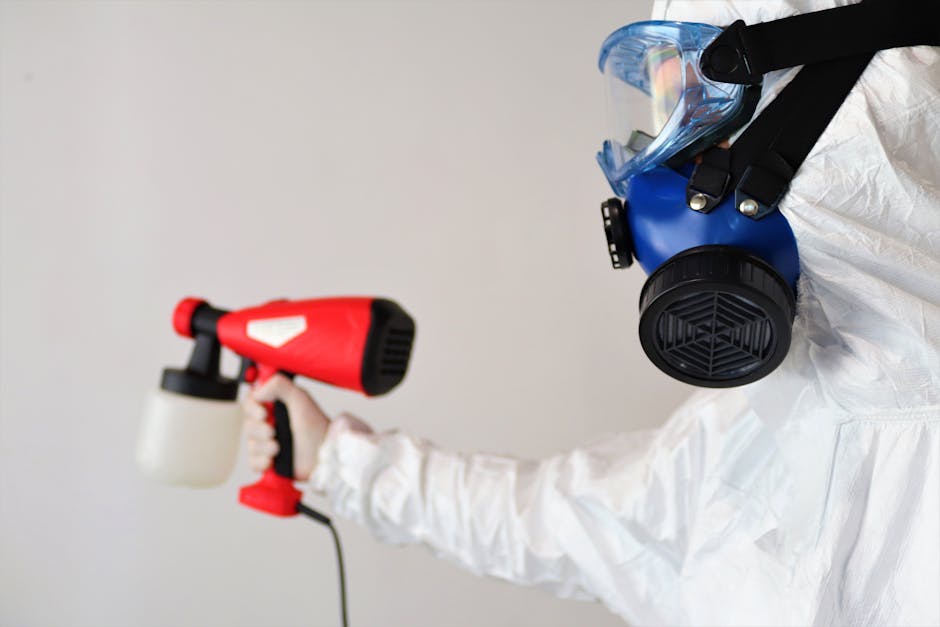
Tampa humid climate mold growth thrives due to the city’s average humidity levels exceeding 70% for much of the year. This persistent moisture creates ideal conditions for mold spores to settle and multiply on building materials like drywall and wood.
Homeowners in Tampa often face increased risks of mold infestations that can lead to health issues and costly property damage. Local mold remediation contractors emphasize that understanding how Tampa’s humid climate accelerates mold growth is essential for effective prevention and treatment.
The combination of warm temperatures and high moisture content in the air means that even minor water leaks or condensation can quickly result in visible mold colonies.
Recognizing these factors helps homeowners take proactive steps to protect indoor air quality and maintain the structural integrity of their homes in this challenging environment.
Why It Matters in Tampa, FL
Tampa's humid climate significantly increases the risk of mold growth in homes and businesses. With average humidity levels hovering around 70%, moisture accumulates on surfaces, creating ideal conditions for mold spores to thrive.
This persistent humidity can lead to extensive water damage, structural deterioration, and health concerns such as allergies and respiratory issues.
Understanding how Tampa's environment impacts mold development is essential for homeowners and property managers. Professional contractors in Tampa typically emphasize moisture control and thorough remediation to combat these challenges effectively.
How Tampa’s Humidity Levels Create Ideal Conditions for Mold Growth
Tampa’s humidity levels consistently hover around 70%, creating a persistent environment where mold spores can easily thrive. This high humidity saturates both indoor and outdoor spaces, providing the moisture necessary for mold growth to flourish. In such conditions, even minimal water presence can trigger rapid mold colonization on various surfaces.
The humid climate in Tampa means that residential and commercial buildings often contend with elevated humidity levels year-round. This sustained moisture not only encourages mold spores to settle but also prolongs their growth period, especially in areas with poor ventilation or inadequate moisture control.
As a result, homeowners and property managers face increased risks of mold growth in basements, attics, and behind walls.
Key Factors Contributing to Mold Growth in Tampa’s Climate
- Consistent high humidity: Tampa’s average humidity rarely drops below 60%, maintaining ideal conditions for mold spores to germinate.
- Warm temperatures: The combination of warmth and moisture accelerates mold growth cycles.
- Frequent rainfall: Excess water infiltration outdoors increases indoor moisture risks.
- Poor ventilation: Areas with limited airflow trap moisture, enhancing conditions mold requires.
Understanding how Tampa’s humidity levels create ideal conditions for mold growth is essential for recognizing potential problem areas. This knowledge helps homeowners anticipate where mold spores are most likely to develop and take appropriate steps to mitigate moisture accumulation indoors and outdoors.
Common Types of Mold Found in Tampa Homes Due to Humid Climate
In Tampa’s humid climate, certain mold species are more prevalent in residential environments due to the consistent presence of moisture and warm temperatures. Homeowners face increased exposure to molds such as Cladosporium, Aspergillus, and Stachybotrys, which thrive in damp indoor areas where humidity levels exceed 60%.
Cladosporium is one of the most common molds found on surfaces like walls, carpets, and HVAC systems in Tampa homes.
This mold species tolerates a wide range of temperatures and flourishes in areas with frequent condensation or water leaks, making it a persistent concern for residents dealing with the city’s high moisture.
Other prevalent mold species in Tampa homes include:
- Aspergillus: Often found in damp areas such as basements and crawl spaces, this mold can produce allergens and irritants, contributing to respiratory issues.
- Stachybotrys (Black Mold): Known for growing on materials with high cellulose content like wood and drywall, this mold requires constant moisture and poses health risks when left unchecked.
- Penicillium: Commonly appearing on water-damaged fabrics and wallpaper, this species spreads rapidly under the persistent humid conditions typical of Tampa.
Understanding which mold species are common in Tampa homes helps residents anticipate potential mold growth risks and communicate effectively with professional contractors when seeking remediation solutions tailored to the challenges posed by the humid climate.
Preventative Measures Tampa Residents Can Take to Control Mold Growth
Homeowners in Tampa face unique challenges in mold prevention due to the city's persistent humidity levels and warm temperatures. Effective humidity control is essential to reduce indoor moisture that accelerates mold growth.
Installing and maintaining ventilation systems such as exhaust fans in kitchens and bathrooms helps expel excess moisture, thereby minimizing the conditions mold spores require to settle and proliferate.
In addition, using dehumidifiers can significantly lower the indoor humidity, keeping it below the critical threshold of 60%. This is particularly important during Tampa's wet seasons when ambient moisture levels rise.
Homeowners should also regularly inspect and repair any leaks in plumbing or roofing, as persistent water intrusion creates hotspots for mold colonization.
Additional Practical Steps for Mold Prevention in Tampa Homes
- Ensure proper drainage around the foundation to prevent water accumulation near the structure.
- Keep gutters and downspouts clean to facilitate effective water runoff away from the home.
- Use mold-resistant building materials in areas prone to moisture, such as bathrooms and basements.
- Regularly clean and dry areas susceptible to dampness, including window sills and HVAC drip pans.
- Avoid carpeting in moisture-prone rooms to reduce mold-friendly environments.
By implementing these targeted mold prevention strategies, Tampa residents can significantly reduce the risks associated with the city's humid climate. Professional advice and regular home maintenance further support effective humidity control, helping to protect indoor air quality and structural integrity from the damaging effects of mold.
Frequently Asked Questions
Why does Tampa's humid climate increase mold growth risk?
Tampa's humidity levels consistently near 70% create ideal conditions for mold spores to settle and grow. The combination of warm temperatures and moisture accelerates mold growth, especially on porous building materials commonly found in residential structures.
What areas in homes are most affected by mold in humid climates?
In humid environments, basements, bathrooms, and kitchens often show the highest mold presence due to frequent moisture. Additionally, spaces with poor ventilation or water leaks become hotspots for mold growth, particularly on drywall, wood framing, and insulation.
How does Tampa's humidity affect mold remediation efforts?
The persistent Tampa humid conditions can prolong drying times during mold remediation. Contractors typically need to address ongoing moisture sources and improve air circulation to prevent mold spores from reestablishing, making remediation more complex compared to drier climates.
Can mold growth be completely prevented in Tampa homes?
While mold prevention strategies can significantly reduce risk, Tampa homeowners face challenges eliminating all mold due to constant humidity levels. Regular maintenance, moisture control, and ventilation improvements are essential but may not guarantee total avoidance of mold spores.
What signs indicate mold growth caused by Tampa's humid climate?
Common indicators include visible mold colonies, musty odors, and discoloration on walls or ceilings. In Tampa's environment, these signs often appear rapidly due to accelerated mold growth fueled by sustained humidity levels above 60%.
Tampa's consistently high humidity levels combined with warm temperatures create an environment where mold spores easily settle and accelerate mold growth. Homeowners in Tampa face increased risks of mold growth on various building materials, emphasizing the need for timely mold remediation.
Professional companies in Tampa typically offer tailored solutions to address these challenges effectively. Get matched with vetted Mold Remediation in Tampa, FL via our to connect with local experts ready to help protect your home.