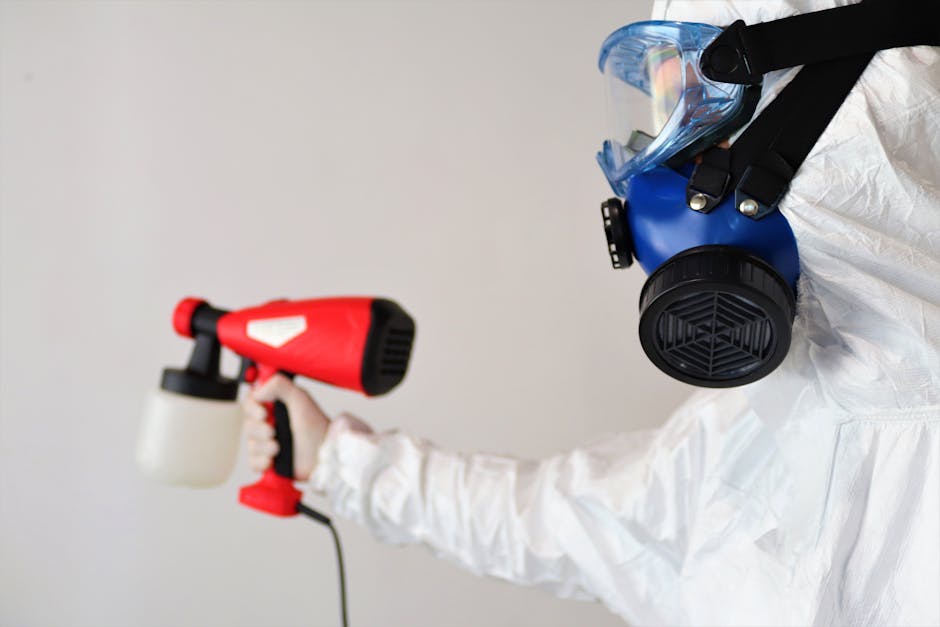
Tampa flood risks and mold growth are closely linked concerns for homeowners in this coastal city. Frequent heavy rains and storm surges contribute to water intrusion, creating ideal conditions for mold spores to thrive indoors.
Prolonged exposure to moisture in basements, crawl spaces, and walls can lead to significant mold infestations, which pose health risks and structural damage. Understanding how Tampa's unique flood patterns affect residential properties is essential for effective mold prevention.
Homeowners facing persistent humidity and water damage should be aware that untreated flood impacts often accelerate mold growth, increasing the need for professional remediation services. Local contractors typically emphasize early detection and thorough drying methods to minimize these risks in Tampa homes.
Why It Matters in Tampa, FL
Tampa's unique geography along the Gulf Coast exposes homes to frequent flooding from tropical storms and heavy rainfall. This persistent water intrusion creates ideal conditions for mold growth, which can compromise indoor air quality and structural integrity.
Understanding Tampa flood risks is essential for homeowners aiming to protect their investments and health.
Local soil composition and drainage challenges exacerbate water retention, increasing the likelihood of mold infestations. Being informed about these factors enables Tampa residents to seek professional assessments and remediation, minimizing long-term damage and potential health risks associated with mold exposure.
Understanding Tampa Flood Risks and Their Causes
Tampa, FL, faces significant flood risks due to its unique geographic location and climatic conditions. Situated along the Gulf of Mexico, Tampa is vulnerable to storm surges and heavy rainfall associated with tropical storms and hurricanes.
The proximity to the Hillsborough River further elevates the risk of flooding, especially during periods of intense precipitation when riverbanks can overflow into residential areas.
Hurricane season, spanning from June through November, intensifies Tampa's exposure to water intrusion. Hurricanes and tropical storms bring sustained high winds and torrential rains that overwhelm drainage systems. This combination creates ideal conditions for rapid accumulation of floodwaters in low-lying neighborhoods.
Additionally, Tampa’s flat topography and clay-rich soils reduce natural water absorption, prolonging the presence of standing water and increasing the likelihood of property damage.
Key Factors Contributing to Flood Risks in Tampa
- Coastal proximity: Exposure to Gulf of Mexico storm surges and tidal fluctuations.
- River overflow: Hillsborough River swelling during heavy rain events.
- Seasonal hurricanes: Increased frequency of tropical storms between June and November.
- Topography: Flat landscape with poor natural drainage.
- Soil composition: Clay soils limiting water infiltration and prolonging flooding.
Understanding these flood risks is essential for homeowners in Tampa to anticipate potential water damage scenarios. The interplay of these geographic and climatic factors creates persistent challenges that necessitate vigilant flood preparedness and mitigation strategies to protect properties from prolonged water intrusion.
How Flooding Contributes to Mold Growth in Tampa Homes
Flood water intrusion in Tampa homes introduces excessive moisture that creates an ideal environment for mold spores to settle and multiply. These microscopic spores are naturally present in the air but require sustained humidity and damp surfaces to develop into visible mold colonies.
When floodwaters infiltrate building materials such as drywall, insulation, and wood, they saturate porous surfaces and increase indoor moisture levels significantly.
High humidity levels following a flood event, often exceeding 60%, accelerate mold growth by providing continuous moisture. Tampa's warm climate further compounds this effect, as elevated temperatures promote faster fungal metabolism and spore reproduction.
Without proper drying, these conditions persist for days or weeks, allowing mold to penetrate deeper into structural components and furnishings.
Key Factors Leading to Mold Development Post-Flooding
- Water intrusion: Floodwaters permeate walls, floors, and HVAC systems, leaving residual moisture.
- Prolonged drying time: Tampa homes may remain damp for extended periods due to high ambient humidity and limited ventilation.
- Mold spores: Ubiquitous airborne spores settle on wet surfaces and begin colonization within 24 to 48 hours.
- Warm temperatures: Tampa’s climate creates optimal conditions for mold metabolism and expansion.
Professional companies in Tampa typically advise that mitigating mold growth requires thorough water extraction combined with rapid drying techniques. Homeowners should expect that untreated moisture from flooding significantly increases the risk of persistent mold infestations and associated health risks.
Preventative Measures Tampa Homeowners Can Take Against Mold After Flooding
After a flood event in Tampa, FL, homeowners should prioritize water extraction to remove standing water promptly, as lingering moisture significantly increases mold growth risks. Effective ventilation is essential to reduce humidity levels and promote drying of affected areas.
Opening windows and using fans can facilitate air circulation, helping to prevent mold infestations from establishing.
Utilizing dehumidifiers is another practical step for Tampa residents to control indoor moisture after flooding. These devices reduce ambient humidity, creating less favorable conditions mold requires to thrive. Maintaining indoor humidity below 60% is generally recommended to inhibit mold spores from multiplying rapidly in flood-impacted homes.
Additional Preventative Actions
- Remove wet materials: Discard porous items like carpets, drywall, and insulation that retain moisture and harbor mold.
- Clean and disinfect: Use appropriate cleaning agents to eliminate contaminants introduced by floodwaters, which can accelerate water damage.
- Monitor for signs of mold: Regularly inspect walls, ceilings, and hidden spaces for discoloration or musty odors indicative of developing mold infestations.
- Schedule professional inspection: Engaging certified mold remediation contractors ensures thorough assessment and targeted treatment, minimizing health risks associated with untreated mold.
Homeowners looking to safeguard their Tampa properties against post-flood mold growth should combine immediate moisture control with ongoing vigilance. Prompt intervention using these preventative measures can limit the extent of water intrusion-related damage and preserve indoor air quality in flood-affected homes.
Frequently Asked Questions
How quickly can mold start growing after a flood in Tampa homes?
Mold growth can begin within 24 to 48 hours after water intrusion in Tampa homes. The combination of high humidity and moisture from flooding creates ideal conditions for mold spores to develop rapidly, increasing the risk of mold infestations if not addressed promptly.
What are the common signs of mold growth following Tampa floods?
Homeowners should watch for visible mold patches, a damp or musty odor, and discoloration on walls or ceilings. Persistent water damage and warped materials often indicate underlying mold growth, which requires professional assessment to prevent further health risks.
Can mold growth affect the structural integrity of a home after flooding?
Mold infestations can contribute to the deterioration of building materials such as drywall, wood, and insulation. In Tampa’s humid climate, prolonged exposure to mold growth accelerates material decay, potentially compromising the home’s structural integrity if left untreated.
Are there specific types of mold that are more common in Tampa flood conditions?
Tampa flood conditions often promote growth of common indoor molds like Cladosporium, Aspergillus, and Stachybotrys. These molds thrive in the damp environments created by storm surges and prolonged water intrusion, posing varying degrees of health risks to occupants.
How do professional mold remediation contractors address mold after flooding in Tampa?
Professional companies typically conduct thorough moisture assessments and containment to limit spread. They use specialized cleaning agents, removal of affected materials, and drying techniques tailored to Tampa’s humid climate. Proper remediation reduces the likelihood of recurring mold growth and associated health risks.
Understanding the impact of Tampa flood risks on mold growth in homes is essential for protecting property value and health safety. Homeowners in Tampa, FL should be vigilant about water intrusion and the conditions mold spores need to thrive after flooding events.
Addressing mold infestations promptly helps prevent structural damage and reduces health risks linked to prolonged exposure.
Get matched with vetted Mold Remediation in Tampa, FL via our to connect with professional contractors experienced in handling flood-related mold issues.