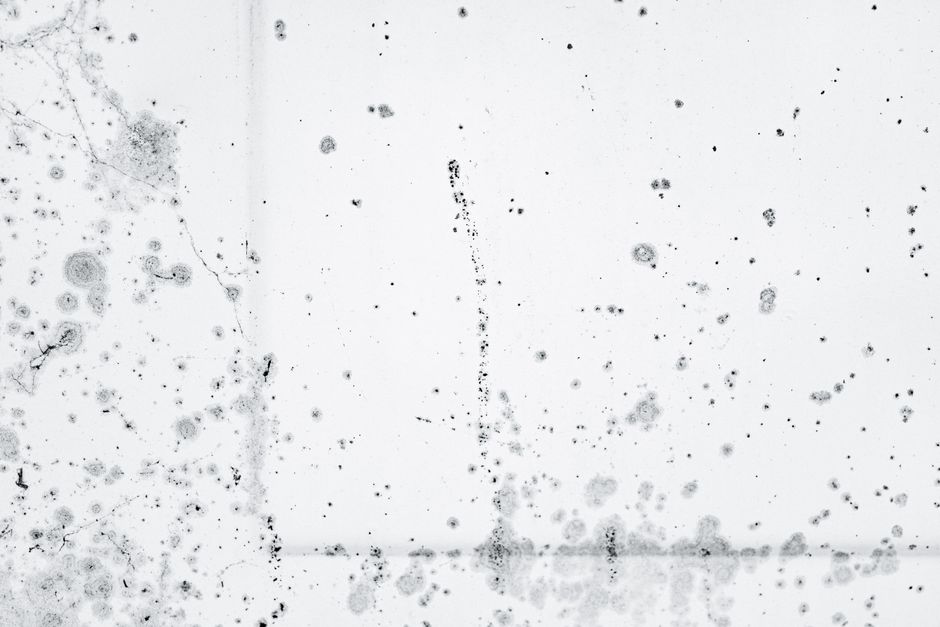
Common types of mold Tampa homeowners encounter can cause serious health risks and property damage if left untreated. The warm, humid climate in Tampa creates an ideal environment for mold growth, especially in areas with poor ventilation or water leaks.
Recognizing the various molds that thrive in local homes is essential for preventing allergic reactions, structural decay, and costly remediation. Homeowners should be aware of the appearance, odor, and common locations of mold to address infestations early.
Understanding the common types of mold Tampa residents face helps in seeking professional assistance from qualified contractors who specialize in mold inspection and removal. Ignoring mold can lead to worsening indoor air quality and increased health complications, making it critical to identify and manage these issues promptly.
Why It Matters in Tampa, FL
Mold growth in Tampa homes is a significant concern due to the city's humid subtropical climate and frequent rainfall. These conditions create an ideal environment for mold spores to thrive, especially in poorly ventilated areas.
Tampa homeowners should be aware that common types of mold found locally can lead to structural damage and health issues, including respiratory problems and allergic reactions.
Understanding the prevalent mold species in Tampa allows residents to take proactive measures to mitigate water damage and maintain a safe living environment. Professional mold remediation contractors in Tampa typically emphasize early detection to prevent costly repairs and health risks associated with unchecked mold growth.
Identifying the Most Common Mold Species in Tampa Homes
Local Tampa, Florida mold species frequently found in residential settings include Cladosporium, Aspergillus, Penicillium, and Stachybotrys. These indoor molds thrive in Tampa's humid climate, creating an ideal environment for mold growth on damp surfaces such as walls, ceilings, and HVAC systems.
Cladosporium is one of the most common molds detected in Tampa homes. It often appears as dark green or black spots and can grow on wood, fabrics, and other organic materials.
Aspergillus, another prevalent species, tends to colonize on dust, insulation, and decaying matter, posing potential health concerns for sensitive individuals.
Typical Mold Species Characteristics
- Cladosporium: Dark pigmentation, common on damp wood and fabrics, resistant to dry conditions.
- Aspergillus: Yellow-green to black colonies, grows indoors on various substrates including HVAC components.
- Penicillium: Blue or green mold often found on water-damaged materials like wallpaper and carpet.
- Stachybotrys (Black Mold): Thick, black mold associated with severe water damage; thrives on cellulose-rich materials.
Understanding these indoor mold species helps Tampa homeowners recognize potential infestations early. Each species exhibits unique growth patterns and substrate preferences, which influence the extent of mold growth and subsequent remediation approaches. Awareness of typical species in Tampa residences is essential for effective monitoring and maintaining a healthy indoor environment.
Health Risks Associated with Mold Exposure in Tampa Residents
Mold health effects pose significant concerns for Tampa residents, especially given the region's humid climate that fosters persistent mold growth. Exposure to common indoor molds can trigger a variety of allergies and respiratory issues, ranging from mild irritation to severe health complications.
Tampa homeowners should remain vigilant about symptoms linked to mold exposure to mitigate long-term consequences.
Allergic reactions are among the most frequent health issues associated with mold, including sneezing, nasal congestion, itchy eyes, and skin rashes. These symptoms often resemble seasonal allergies but can persist or worsen in homes with unchecked mold infestations.
Prolonged exposure may exacerbate asthma attacks or other chronic respiratory conditions, particularly in sensitive populations such as children, the elderly, and individuals with compromised immune systems.
Common Mold-Related Symptoms Tampa Residents Should Monitor
- Persistent coughing and wheezing, which may indicate respiratory tract irritation from mold spores.
- Frequent headaches and fatigue, potentially linked to toxic mold metabolites.
- Eye, nose, and throat irritation, resulting from airborne mold particles.
- Skin irritation or dermatitis, caused by direct contact with mold-contaminated surfaces.
Understanding these mold health effects helps Tampa homeowners identify potential infestations early and seek professional evaluation. Early detection and intervention are critical to reducing the risk of chronic health problems associated with prolonged mold exposure in Tampa homes.
Pro Tip
Understanding the common types of mold found in Tampa homes helps homeowners identify infestations early. In Tampa's humid climate, molds like Aspergillus, Penicillium, and Stachybotrys often thrive on damp surfaces.
Regularly inspecting areas with poor ventilation or water damage can prevent mold growth from escalating into costly health complications or structural issues.
Environmental Factors in Tampa That Promote Mold Growth Indoors
Tampa’s humid climate and frequent rainfall create an ideal environment for mold growth indoors. The city experiences high relative humidity levels often exceeding 70%, which significantly contributes to persistent moisture accumulation inside homes.
This constant moisture presence promotes the proliferation of various mold species on surfaces such as walls, ceilings, and HVAC systems.
Home moisture issues in Tampa frequently arise from poor ventilation, plumbing leaks, and inadequate sealing against outdoor elements. These conditions allow water intrusion and condensation to develop, fostering the ideal environment for mold colonies to establish and expand.
Tampa homeowners should be aware that unchecked moisture problems are a primary driver of indoor mold infestations.
Key Environmental Contributors to Indoor Mold in Tampa
- High Humidity: Consistently elevated indoor humidity levels encourage mold spores to settle and grow.
- Heavy Rainfall: Frequent storms increase the risk of water penetration through roofs, windows, and foundations.
- Poor Ventilation: Insufficient airflow traps moisture indoors, especially in bathrooms and kitchens.
- Plumbing Leaks: Hidden leaks create damp areas behind walls or under floors that support mold development.
- Building Materials: Porous materials like drywall and wood absorb moisture, providing nutrients for mold.
Effective Prevention Strategies for Mold in Tampa Homes
Effective mold prevention in Tampa homes hinges on controlling moisture and ensuring proper ventilation. Tampa’s humid climate necessitates proactive measures to reduce indoor dampness, which is a key driver of mold growth. Homeowners should prioritize repairing leaks promptly and maintaining gutters to prevent water intrusion.
Improving ventilation is another critical strategy. Installing or upgrading exhaust fans in bathrooms, kitchens, and laundry areas helps expel humid air. Additionally, using dehumidifiers during Tampa’s wet seasons can maintain indoor humidity levels below 60%, the threshold above which mold spores thrive.
Additional Mold Prevention Tips for Tampa Homes
- Regularly inspect crawl spaces and basements for signs of water accumulation or mold infestations early.
- Ensure proper drainage around the home’s foundation to avoid standing water that encourages mold growth.
- Use mold-resistant building materials such as treated drywall or mold inhibitors in paint to reduce susceptibility.
- Keep indoor plants minimal and avoid overwatering, as soil moisture can contribute to mold spores.
- Maintain HVAC systems with routine filter changes and professional cleanings to prevent mold development within ductwork.
Homeowners aware of these tailored strategies can significantly reduce the risk of mold infestations in their Tampa homes, protecting both property value and occupant health from the pervasive effects of mold and associated water damage.
When and How to Seek Professional Mold Inspection and Removal in Tampa
Homeowners in Tampa should consider contacting mold inspection experts when they notice persistent musty odors, visible mold growth, or signs of water damage that could indicate hidden infestations. Tampa's humid climate often masks early symptoms, making professional assessment crucial to identify affected areas accurately.
Mold inspection specialists in Tampa typically use advanced tools like moisture meters and infrared cameras to detect mold spores behind walls or under flooring. Once identified, mold removal services employ containment and specialized cleaning agents to eliminate colonies safely, preventing further mold growth and reducing health risks.
What to Expect from Tampa Mold Professionals
- Comprehensive assessment including air quality testing and surface sampling
- Detailed reports outlining affected areas and mold species present
- Customized remediation plans tailored to the extent of infestation and home layout
- Post-removal verification to ensure successful cleanup and prevention of recurrence
Frequently Asked Questions
What types of mold are most commonly found in Tampa homes?
Local Tampa homes often harbor Cladosporium, Penicillium, and Aspergillus species due to the humid climate. These molds thrive in environments with poor ventilation and persistent moisture, contributing to frequent mold growth and potential water damage.
How can homeowners identify mold infestations early?
Homeowners should be aware of visible mold spots, musty odors, and areas with excessive moisture. Early detection is crucial to prevent extensive mold infestations and related health risks. Regular inspection in basements, bathrooms, and around windows helps catch growth before it spreads.
Why does Tampa's environment contribute to mold growth indoors?
The combination of Tampa’s high humidity levels, frequent rainfall, and warm temperatures creates an ideal environment for mold spores to thrive. This environment mold supports rapid growth on organic materials inside homes, especially where ventilation is insufficient.
Are all molds in Tampa homes harmful to health?
Not all molds found in Tampa pose immediate health threats, but many common species can trigger allergic reactions or respiratory issues. Homeowners should remain vigilant about any visible growth or persistent odors to mitigate potential health risks linked to prolonged exposure.
What areas in a home are most susceptible to mold growth?
Mold commonly develops in areas with consistent moisture such as bathrooms, kitchens, crawl spaces, and around leaking pipes. Tampa homeowners should monitor these zones closely to prevent water damage, which often precedes significant mold infestations.
Understanding the common types of mold found in Tampa homes is essential for tampa homeowners aiming to protect their property from mold growth and water damage. Given the tampa humid environment and prevalent poor ventilation, early identification of mold infestations can significantly reduce health risks and structural issues.
Homeowners should consider consulting with local mold remediation contractors in Tampa to address infestations effectively. Get matched with vetted Mold Remediation in Tampa, FL via our -matching form to connect with professionals who can help safeguard your home.