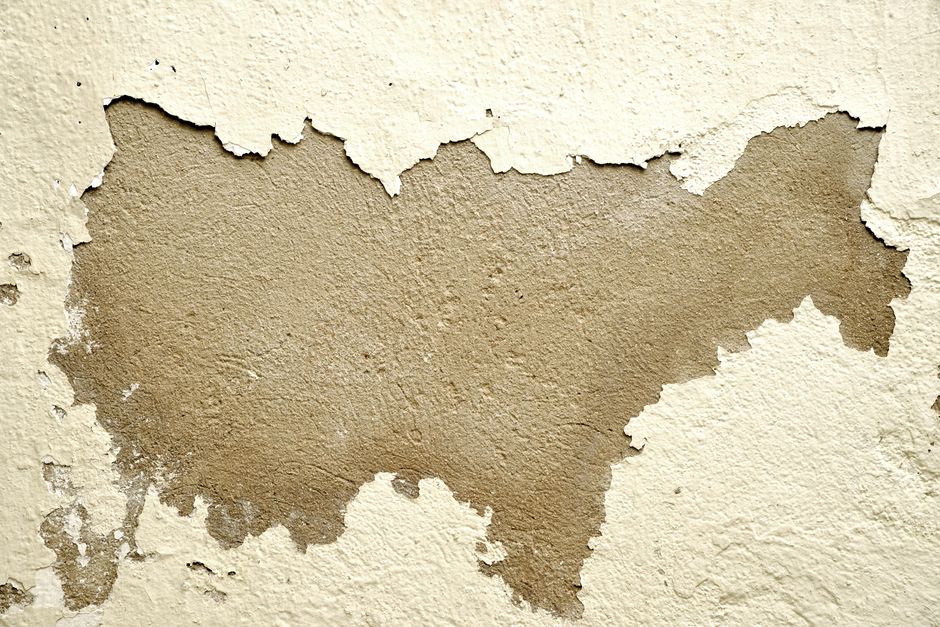
Water damage causes mold growth Tampa homeowners often face when hidden leaks or flooding occur. Excess moisture from burst pipes, roof leaks, or storm flooding creates the perfect environment for mold spores to thrive.
Tampa's warm, humid climate intensifies the risk, making mold growth a common consequence of untreated water damage. Without prompt drying and remediation, mold colonies can spread rapidly, leading to structural damage, health risks, and costly repairs.
Understanding how water damage leads to mold growth in Tampa homes is crucial for homeowners seeking to protect their property and well-being. Professional contractors typically recommend addressing water intrusion sources quickly to prevent persistent mold infestations and related complications.
Why It Matters in Tampa
Tampa's humid subtropical climate creates ideal conditions for water damage and mold growth inside homes. Frequent afternoon storms and high humidity levels increase the risk of hidden leaks and moisture buildup, accelerating mold development. Left unaddressed, this can lead to structural damage and serious health risks for residents.
Understanding how water damage leads to mold growth in Tampa is essential for homeowners aiming to protect their investment and ensure a safe living environment. Local professionals emphasize early detection and remediation to combat the persistent challenges posed by Tampa’s weather patterns.
Common Sources of Water Damage in Tampa Homes
In Tampa, the combination of humid Florida weather and aging housing stock creates multiple opportunities for water damage to develop. Local roof leaks are among the most frequent culprits, as heavy rainstorms and tropical storms strain roofing materials.
Compromised shingles, clogged gutters, or damaged flashing allow water infiltration that can go unnoticed until significant structural damage occurs.
Plumbing issues also contribute heavily to water damage in Tampa residences. Corroded pipes, loose fittings, or hidden leaks behind walls often cause persistent moisture buildup. These conditions foster mold growth and may remain undetected for extended periods, exacerbating health risks and repair costs.
Additional Common Causes of Water Damage in Tampa Homes
- Flooding: Tampa’s location near the Gulf Coast exposes homes to periodic flooding from storm surges and heavy rains, leading to widespread water intrusion and saturation of building materials.
- HVAC systems: Improperly maintained air conditioners and condensate lines can leak, creating localized damp areas prone to mold development.
- Appliance leaks: Washing machines, dishwashers, and water heaters sometimes fail or overflow, causing hidden water damage under floors or behind walls.
Understanding these typical sources is essential for Tampa homeowners to identify early signs of water damage. Recognizing vulnerabilities in roofing, plumbing, and flood-prone areas can facilitate timely intervention before extensive mold growth takes hold.
How Moisture from Water Damage Creates Ideal Conditions for Mold Growth
Water damage in Tampa homes significantly increases humidity and moisture retention within building materials, creating an environment highly conducive to mold spores germination. When water intrudes through leaks or flooding, porous surfaces such as drywall, wood, and insulation absorb and retain moisture.
This sustained dampness raises the relative humidity levels indoors, often exceeding the threshold that inhibits mold development.
Mold spores are naturally present in indoor and outdoor air, but they require a combination of moisture, warmth, and organic material to proliferate. In Tampa’s warm climate, moisture retention from untreated water damage provides ideal conditions for these spores to transition from dormant to active growth phases.
This process can begin within 24 to 48 hours after moisture exposure if conditions remain unchecked.
In addition to visible water intrusion, hidden moisture behind walls or beneath flooring can sustain elevated humidity, allowing mold colonies to establish without immediate detection. Tampa homes with poor ventilation or inadequate drying measures tend to experience prolonged periods of elevated moisture, further promoting mold growth.
Professional contractors often emphasize that controlling indoor humidity below 60% and promptly addressing any water damage are critical steps to prevent this cycle.
Homeowners should be aware that even minor moisture buildup can trigger extensive mold development if left unaddressed. The relationship between water damage, increased humidity, and mold growth underscores the importance of timely intervention and thorough drying protocols in Tampa residences.
The Timeline of Mold Growth After Water Damage in Tampa Residences
The mold growth timeline in Tampa homes typically begins within 24 to 48 hours after water damage occurs. The region's warm climate and consistently high humidity levels create an environment where mold spores can rapidly colonize damp surfaces.
Once water intrusion or moisture buildup happens, mold can quickly spread behind walls, under flooring, and inside insulation materials.
The speed of mold development depends on several factors including the type of water damage, the materials affected, and the extent of moisture retention. For example, porous materials like drywall and wood absorb water easily and support faster mold colonization compared to non-porous surfaces.
Additionally, areas with poor ventilation or ongoing leaks accelerate the mold growth process.
Key Factors Influencing Mold Growth Speed in Tampa Residences
- Tampa humidity: Elevated moisture levels above 60% promote mold spore germination.
- Warm temperatures: Consistent warmth between 70°F and 90°F enhances fungal metabolism and reproduction.
- Water source: Clean water from roof leaks may slow initial growth, while contaminated water accelerates it.
- Material type: Porous building materials retain moisture longer, fostering quicker mold establishment.
- Duration of moisture exposure: Prolonged dampness beyond 48 hours significantly raises mold infestation risk.
Tampa homeowners should expect mold to become visible or detectable shortly after water damage if the affected areas remain untreated. Understanding this timeline helps in prioritizing inspections and securing professional remediation services promptly to mitigate further property damage and health risks.
Common Mistake to Avoid
Many Tampa homeowners make the critical error of delaying inspection and remediation after water intrusion. This allows moisture buildup to persist, significantly increasing the risk of mold growth behind walls and within building materials.
Ignoring early signs such as musty odors or visible stains often leads to extensive structural damage and elevated health risks due to prolonged exposure to airborne mold spores. Prompt action is essential to prevent widespread contamination in Tampa residences.
Health Risks and Property Damage Caused by Mold in Tampa Homes
Mold health risks in Tampa homes extend beyond mere nuisance, often triggering allergies, respiratory issues, and other chronic conditions. Exposure to airborne mold spores can provoke symptoms such as nasal congestion, coughing, wheezing, and eye irritation.
Vulnerable groups, including children, the elderly, and individuals with compromised immune systems or asthma, are particularly susceptible to these adverse effects.
Unchecked mold growth also contributes to significant property damage within Tampa residences. As mold colonies expand behind walls and inside insulation, they accelerate the deterioration of building materials like drywall, wood framing, and flooring. This degradation compromises structural integrity, potentially leading to costly repairs or replacements.
Key Health and Property Concerns from Mold in Tampa Homes
- Respiratory distress: Prolonged inhalation of mold spores can cause or worsen asthma and bronchitis.
- Allergic reactions: Frequent exposure may result in persistent sneezing, skin rashes, and watery eyes.
- Structural decay: Mold-induced rot weakens wooden supports and beams critical to home safety.
- Decreased property value: Visible mold and hidden damage can reduce resale prospects and market appeal.
Professional assessment and remediation are vital for Tampa homeowners aiming to mitigate these risks. Recognizing the dual threat of health complications and property damage underscores the importance of addressing mold promptly after water intrusion events.
Preventive Measures and Immediate Actions to Stop Mold After Water Damage
Tampa homeowners encountering water damage should act swiftly to minimize mold growth risks. Prompt water damage cleanup is critical, as lingering moisture within building materials accelerates mold development.
Immediate removal of standing water and thorough drying using industrial fans or dehumidifiers can significantly reduce the potential for mold colonies to establish.
Drying techniques must target all affected areas, including concealed spaces like behind walls and under flooring, where moisture often persists unnoticed. Tampa residences with porous materials such as drywall or carpet may require removal to prevent sustained moisture buildup that fosters mold.
Key Steps for Effective Mold Prevention After Water Damage
- Immediate water extraction: Remove visible water promptly to limit saturation of structural components.
- Ventilation and drying: Use fans, dehumidifiers, and open windows to lower indoor humidity below 60%, inhibiting mold spore germination.
- Inspection of hidden areas: Check for moisture behind walls, ceilings, and under floors to address hidden leaks and prevent unseen mold growth.
- Removal of damaged materials: Discard porous items that retain water and cannot be adequately dried.
- Professional evaluation: Consider consulting water damage restoration experts in Tampa for comprehensive assessment and remediation planning.
By following these mold prevention practices, Tampa homeowners can effectively interrupt the conditions necessary for mold growth. Early intervention combined with proper drying techniques reduces the likelihood of extensive damage and health complications associated with mold infestations after water intrusion events.
How Water Damage Leads to Mold Growth in Tampa Homes: Cost and Timeline Breakdown
| Service Type | Cost Range | Typical Timeline |
|---|---|---|
| Water Extraction | $500 - $2,000 | Within |
| Drying and Dehumidification | $1,000 - $3,000 | 2 to 5 days |
| Mold Inspection and Testing | $300 - $1,000 | 1 to 2 days |
| Mold Remediation | $1,500 - $6,000 | 3 to 7 days |
| Structural Repairs (Drywall, Flooring) | $2,000 - $10,000+ | 1 to 3 weeks |
Frequently Asked Questions
How quickly can mold start growing after water damage?
Mold growth in Tampa homes can begin within 24 to 48 hours after water intrusion. The warm, humid climate combined with moisture buildup in building materials accelerates mold development, making essential to prevent extensive mold colonies.
Why is mold growth often hidden behind walls?
Mold spores thrive in moisture buildup inside walls, where leaks or condensation are not visible. This hidden growth leads to structural damage and health risks before homeowners notice any signs, making professional inspection crucial for detecting mold colonies behind surfaces.
What types of water damage most commonly cause mold in Tampa?
Roof leaks, hidden leaks, and chronic moisture buildup from humidity are the primary sources of water damage that lead to mold growth in Tampa residences. These conditions saturate building materials, creating ideal environments for persistent mold development.
Can mold growth be prevented after water damage?
Preventive measures include quickly drying wet areas, repairing water intrusion, and monitoring for moisture buildup. Tampa homeowners should address these factors promptly to reduce the risk of extensive mold colonies, which can cause significant structural damage and health complications.
What health risks are associated with mold growth in homes?
Mold growth in indoor environments can trigger allergies, respiratory issues, and other health risks. In Tampa, where humidity promotes persistent mold, exposure to mold spores may exacerbate asthma and other respiratory conditions, emphasizing the importance of controlling moisture buildup.
Understanding the connection between water damage and mold growth is essential for Tampa homeowners aiming to protect their residences. Persistent moisture buildup from leaks or flooding creates an environment where mold colonies can rapidly develop, posing significant health risks and structural damage.
Addressing these issues promptly with experienced local professionals can help mitigate long-term consequences and preserve property value.
Get matched with vetted Mold Remediation in Tampa, FL via our to connect with reliable experts who understand the unique challenges of Tampa homes.