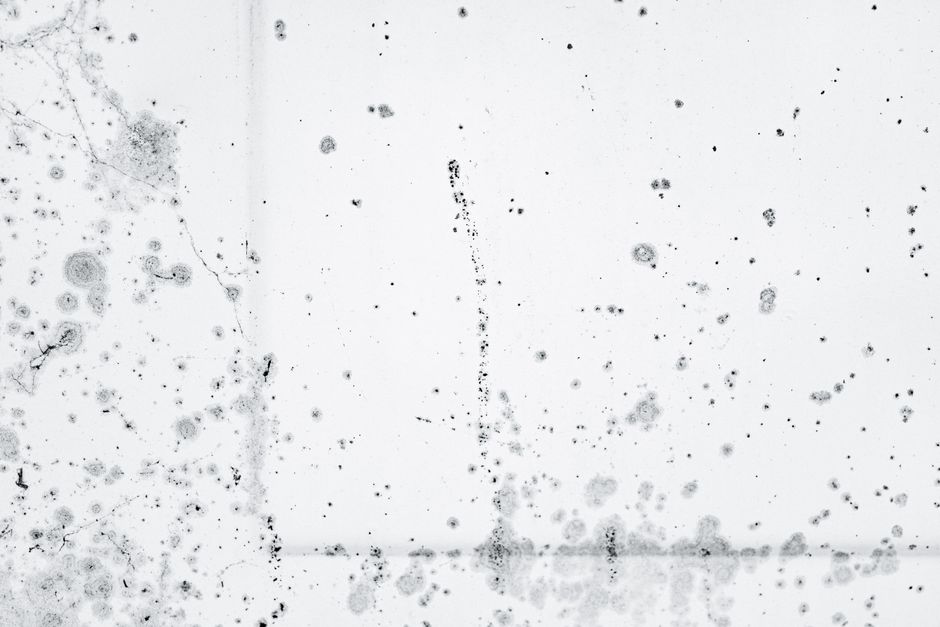
Common causes water damage leading to mold Tampa homeowners face often stem from hidden leaks, poor drainage, and high humidity. Tampa’s warm climate combined with frequent storms increases the risk of water intrusion in basements, crawl spaces, and attics.
When moisture accumulates unnoticed, it creates ideal conditions for mold growth, which can damage property and impact indoor air quality. Local water damage issues frequently arise from clogged gutters, plumbing failures, or improper sealing around windows and doors.
These problems allow water to penetrate building materials like drywall and wood, leading to structural deterioration and costly repairs. Understanding the common causes of water damage is essential for Tampa residents to prevent mold infestations and maintain a healthy living environment.
Homeowners looking for solutions should expect professional assessments to identify moisture sources and recommend effective remediation strategies tailored to Tampa’s unique weather challenges.
Quick Takeaways on Water Damage and Mold in Tampa Homes
- Leaking pipes and roof damage are primary sources of water intrusion that often cause mold growth in Tampa residences.
- High humidity levels in Tampa’s climate create an environment where mold spores can thrive after water damage occurs.
- Poor drainage around a home’s foundation can lead to soil saturation, increasing the risk of structural water damage.
- Flooding from storms is a significant contributor to extensive water damage and subsequent mold infestations in Tampa properties.
- Delayed water cleanup after leaks or floods significantly raises the chance of mold development, emphasizing the need for prompt action.
Leaky Pipes and Plumbing Failures as Primary Causes of Water Damage in Tampa Homes
Leaky pipes and plumbing failures are frequent contributors to water damage in Tampa residences. Aging plumbing systems, often found in older homes throughout Tampa, FL, can develop cracks, corrosion, or loose joints that allow water to escape into walls, floors, and ceilings.
This unnoticed water intrusion creates an ideal environment for mold growth, especially when leaks persist over weeks or months.
Professional plumbing contractors in Tampa report that common issues such as faulty pipe connections, worn-out seals, and broken water lines significantly increase the risk of hidden leaks. These leaks may not always be visible but can cause substantial water damage behind drywall or under flooring.
Homeowners looking to prevent extensive mold infestations should prioritize regular inspections of their plumbing systems, particularly if their home’s infrastructure is several decades old.
Typical Plumbing Problems Leading to Water Damage
- Corroded pipes: Metal pipes deteriorate over time, leading to pinhole leaks and bursts.
- Loose or damaged joints: Connections between pipes can loosen, allowing water to seep out.
- Faulty fixtures: Faucets, toilets, and water heaters with worn parts can drip continuously.
- Clogged drains: Blockages increase pressure on pipes, causing leaks or ruptures.
In Tampa’s climate, where humidity compounds moisture problems, these plumbing issues exacerbate the potential for mold infestations. Homeowners should expect that addressing plumbing failures promptly is essential to mitigating water damage and preventing costly mold remediation down the line.
Impact of Tampa’s Humid Climate and Heavy Rainfall on Mold Development
Tampa’s humid climate significantly contributes to mold growth by creating an environment where moisture lingers. The city experiences average relative humidity levels above 70% for much of the year, which encourages water absorption into building materials.
This persistent moisture presence increases the risk of water damage and subsequent mold infestations in Tampa residences.
The region’s frequent and intense rainfall events exacerbate moisture accumulation, especially when combined with inadequate ventilation or insulation. Heavy rains can lead to water pooling around foundations or seepage into walls, amplifying water intrusion issues.
Over time, this creates ideal conditions for mold spores to colonize and spread throughout homes in Tampa.
Key factors linking Tampa’s climate to mold development:
- High humidity levels: Promote condensation on surfaces and dampness in attics, basements, and crawlspaces.
- Frequent heavy rainfall: Increases chances of water penetration through exterior walls and foundations.
- Poor air circulation: Traps moisture indoors, preventing drying and encouraging mold growth.
- Warm temperatures: Accelerate mold reproduction cycles in combination with moisture.
Homeowners looking to prevent mold growth in Tampa should be aware that the local weather patterns pose ongoing challenges. Addressing moisture sources promptly and maintaining proper ventilation can help mitigate the impact of Tampa’s humid climate and heavy rainfall on water damage and mold issues.
Roof Leaks and Poor Drainage Systems as Triggers for Water Intrusion in Tampa Residences
In Tampa, roof leaks represent a significant pathway for water intrusion that can lead to extensive water damage and subsequent mold growth. Damaged shingles, cracked flashing, or deteriorated sealants often allow rainwater to penetrate the roof structure.
This infiltration creates damp conditions in attics and ceilings, fostering an environment conducive to mold infestations. Homeowners looking to prevent such issues should be aware that even minor roof damage can escalate into costly repairs if left unaddressed.
Poor drainage systems compound the risk of water intrusion in Tampa residences by failing to redirect heavy rainfall away from the building foundation. Clogged gutters, broken downspouts, or inadequate grading around the home increase the potential for water pooling near walls and basements.
This standing water can seep through cracks and porous materials, elevating moisture levels inside the home and supporting mold growth. Regular maintenance of drainage components is essential to mitigate these risks in Tampa's wet climate.
Key Factors Contributing to Roof and Drainage-Related Water Intrusion in Tampa
- Damaged or missing shingles that expose roofing underlayment to moisture
- Improperly installed flashing around chimneys, vents, and skylights allowing leaks
- Clogged gutters and downspouts causing overflow and water accumulation near the foundation
- Poor landscape grading directing rainwater toward rather than away from the home
Professional companies in Tampa typically advise homeowners to conduct routine inspections of roofs and drainage systems, especially following storms. Addressing these vulnerabilities promptly reduces the chance of water intrusion, water damage, and subsequent mold problems common in Tampa's environment.
Frequently Asked Questions
What are the most common sources of water intrusion in Tampa homes?
Local water intrusion sources often include roof leaks, clogged gutters, and plumbing failures. These issues allow water damage that creates an environment conducive to mold growth, especially given Tampa's humid climate.
How does poor drainage contribute to mold development?
Poor drainage systems cause water to accumulate near foundations or walls, leading to water damage and increased humidity levels. This trapped moisture provides ideal conditions for mold infestations in Tampa residences, elevating the risk of structural and health problems.
Can minor plumbing leaks cause significant mold problems?
Yes, even small plumbing leaks can result in persistent water intrusion. Over time, this moisture supports mold growth, which can spread unseen behind walls or under floors, making early detection and repair crucial to prevent extensive damage.
Why is Tampa’s climate a factor in mold-related water damage?
Tampa’s high humidity and frequent rainfall increase the likelihood of water damage from various sources. This combination fosters an environment where mold infestations thrive rapidly, complicating remediation efforts for homeowners looking to maintain a healthy living space.
How can clogged gutters lead to mold problems inside the home?
Clogged gutters cause water to overflow and pool near the roof or foundation, promoting water intrusion. This standing water can seep into building materials, causing water damage that supports the development of mold growth, especially in Tampa’s moisture-prone environment.
Understanding the common causes of water damage that contribute to mold growth in Tampa residences is essential for effective prevention. Factors such as plumbing failures, roof leaks, and poor drainage systems create the ideal conditions for mold infestations to develop in Tampa's humid climate.
Homeowners looking to protect their properties should prioritize addressing these vulnerabilities promptly to reduce the risk of water intrusion and subsequent mold damage.
Get matched with vetted Mold Remediation in Tampa, FL via our -matching form to connect with local experts who can help mitigate these issues effectively.