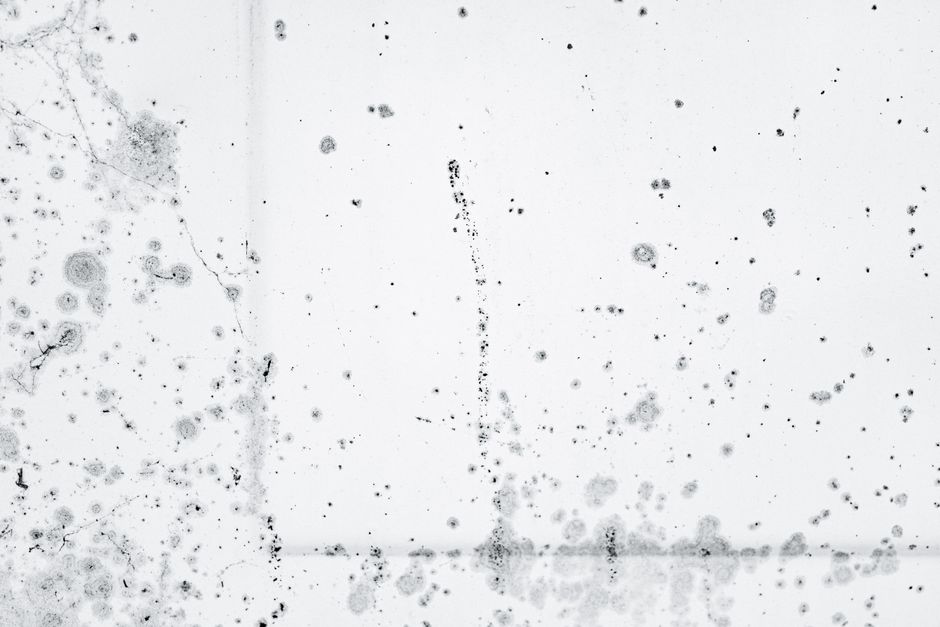
Mold inspection Tampa services are essential for homeowners facing hidden mold growth risks in humid climates like Tampa, FL. Untreated mold infestations can cause serious health problems and structural damage, making early detection crucial.
Professional mold testing identifies contamination levels and pinpoint sources, helping to prevent costly repairs and prolonged indoor air quality issues. Local experts typically use advanced air sampling, surface testing, and visual inspections to assess affected areas thoroughly.
Homeowners should expect detailed reports outlining the type and extent of mold, along with recommendations for remediation. Understanding the importance of timely mold inspection Tampa services can safeguard your property investment and protect your family’s well-being in this region’s challenging environment.
Quick Takeaways on Mold Inspection and Testing in Tampa, FL
- Mold inspection in Tampa involves thorough assessment of indoor environments prone to moisture accumulation.
- Testing services typically include air sampling, surface sampling, and laboratory analysis to identify mold species.
- Local Tampa contractors often tailor inspections to address humidity levels and regional climate factors affecting mold growth.
- Homeowners should expect detailed reports outlining contamination extent, potential health risks, and recommended remediation steps.
- Professional testing helps prevent structural damage and long-term health issues associated with unchecked mold presence.
Understanding Mold Growth and Its Health Impacts in Tampa, FL
Tampa's humid climate creates an ideal environment for mold spores to thrive, especially in areas with poor ventilation or water intrusion. The combination of high humidity levels and frequent rainfall contributes to persistent moisture, which accelerates mold growth on building materials such as drywall, wood, and carpet.
Homeowners should be aware that unchecked mold can lead to significant structural damage over time.
Mold exposure in Tampa can also pose serious health risks, particularly for individuals sensitive to allergens. Common reactions include allergies, skin irritation, and respiratory issues such as asthma exacerbation or sinus congestion. Prolonged exposure to certain mold types may increase the risk of more severe respiratory conditions.
Professional mold inspections in Tampa typically focus on identifying areas where humidity and moisture have allowed mold to develop, even when it is not visibly apparent.
Understanding the relationship between Tampa's climate and mold proliferation helps homeowners recognize the importance of timely assessment and mitigation to protect both their property and health.
Comprehensive Mold Inspection Services Available in Tampa
Mold inspection Tampa providers typically offer a range of comprehensive services designed to identify visible and hidden mold issues. A visual inspection is often the first step, where trained contractors examine affected areas for signs of mold growth, water stains, and moisture intrusion.
This process helps detect surface mold as well as potential sources of structural damage linked to prolonged dampness.
In addition to visual assessments, many Tampa companies employ air sampling techniques to measure airborne mold spore concentrations. This form of testing is crucial in detecting mold presence in areas not accessible by sight, such as inside walls or HVAC systems.
Surface sampling may also be conducted to analyze specific materials suspected of contamination, providing detailed data on mold species and density.
Moisture detection technology is another vital tool used during inspections. Devices like moisture meters and infrared cameras help locate hidden water leaks or elevated humidity levels, conditions that facilitate persistent mold growth. These findings are essential for developing effective remediation strategies and preventing future infestations.
Common Mold Inspection Methods in Tampa
- Visual Inspection: Identification of visible mold, stains, and moisture damage.
- Air Sampling: Collection of airborne spores to assess indoor air quality and hidden mold presence.
- Surface Sampling: Testing of specific surfaces to determine mold type and concentration.
- Moisture Detection: Use of specialized tools to find hidden moisture sources encouraging mold growth.
Step-by-Step Process of Professional Mold Testing in Tampa Homes
Professional mold testing in Tampa homes generally begins with a thorough visual assessment to identify potential mold presence and areas affected by humidity levels or water damage. Contractors typically focus on both visible mold and signs of hidden mold, which often requires specialized sampling techniques to detect.
The next critical phase involves sample collection, where technicians gather material using methods such as air sampling and surface sampling. Air samples help measure the concentration of airborne mold spores, while surface samples target suspected mold colonies on walls, floors, or other structures.
This dual approach ensures a comprehensive understanding of the indoor environment’s air quality and potential contamination.
Following collection, all samples are sent to accredited laboratories for detailed lab analysis. These labs identify mold species and quantify spore levels, providing crucial data on the severity and type of mold infestation.
The accuracy of this step is vital for determining appropriate remediation strategies and assessing risks related to serious health concerns and structural damage.
Final Reporting and Recommendations
Upon completion of testing and analysis, homeowners receive a detailed report outlining findings about mold growth, spore counts, and affected areas. This report typically includes professional recommendations for mitigation or further investigation if needed.
Homeowners looking for mold testing in Tampa should expect clear communication and comprehensive documentation to guide informed decisions about their property’s health and safety.
Common Mistake to Avoid
Homeowners in Tampa, FL often make the mistake of relying solely on visible signs when addressing mold presence. This approach overlooks hidden mold that can thrive behind walls or under flooring, leading to persistent air quality issues and potential structural damage.
Neglecting comprehensive mold testing methods such as air sampling and surface sampling may result in incomplete remediation and ongoing health risks.
Choosing the Right Mold Inspection Company in Tampa: Key Factors to Consider
Selecting a reliable Tampa mold inspection company involves evaluating several critical factors to ensure thorough and accurate mold testing. Homeowners should prioritize companies with relevant certifications, as these credentials demonstrate adherence to industry standards and familiarity with the latest inspection methodologies.
Certifications from recognized organizations like the IICRC or the American Council for Accredited Certification typically indicate a higher level of professionalism and technical competence.
Experience is another essential consideration when choosing a mold inspection provider. Companies with extensive backgrounds in mold inspection and remediation often possess deeper knowledge of local humidity levels, common mold species, and typical problem areas within Tampa homes.
This expertise can result in more precise identification of affected areas and tailored recommendations to mitigate structural damage and health risks.
Additional Factors to Evaluate When Selecting Mold Inspection Services
- Positive reviews generally correlate with satisfaction regarding mold presence detection and communication throughout the process.
- Range of Services: Comprehensive Tampa companies often provide both air sampling and surface sampling, which are crucial for detecting hidden mold behind walls or under flooring.
- Transparency in Reporting: Clear, detailed reports that explain findings, potential health risks, and recommended next steps can empower homeowners to make informed decisions.
- Local Knowledge: Familiarity with Tampa's specific environmental challenges, such as its humid climate and soil types, supports more accurate assessments and effective prevention strategies.
Homeowners seeking mold inspection in Tampa should expect companies to combine verified certifications, proven experience, and strong customer endorsements. Utilizing a lead aggregator service can help connect with vetted professionals who meet these criteria, ensuring comprehensive evaluation of mold growth and associated hazards.
Typical Costs and Timeframes for Mold Inspection and Testing Services in Tampa
Homeowners in Tampa, FL looking for mold inspection and testing services should anticipate a variety of costs depending on the scope and complexity of the job. Typical inspection fees range from $300 to $600, which generally cover a comprehensive visual assessment and initial surface sampling.
Additional air sampling to detect hidden mold can increase costs by $150 to $400, reflecting the specialized equipment and laboratory analysis required.
The total cost range for thorough mold testing in Tampa homes often falls between $450 and $1,000. This range accommodates variations in property size, the number of affected areas, and the types of mold species suspected.
Some inspections might also include moisture mapping or infrared scanning, potentially adding to the final price.
Expected Timelines for Mold Inspection and Testing
The typical inspection timeline for a residential property in Tampa usually spans 2 to 4 hours. This period allows contractors to conduct detailed assessments of visible and concealed areas prone to mold growth.
After sampling, laboratory analysis often requires an additional 2 to 5 business days before results are available, depending on the complexity and volume of samples.
Homeowners should plan for a total turnaround time of approximately 3 to 7 days from initial inspection to receiving a detailed report outlining findings and recommendations. Understanding these timelines helps set realistic expectations when scheduling inspections and planning subsequent remediation steps.
Pro Tip
Homeowners in Tampa, FL should prioritize mold inspection that includes both air sampling and surface sampling to detect hidden mold effectively. Combining these methods provides a comprehensive view of mold presence, especially in areas with elevated humidity levels.
Requesting detailed reports on mold species found helps assess potential health risks and guides appropriate remediation strategies.
Preventative Measures to Minimize Mold Growth After Inspection in Tampa Homes
After a mold inspection in Tampa homes, taking proactive mold prevention steps is crucial to avoid future mold growth. Tampa’s consistently high humidity levels create a persistent risk, making humidity control one of the most effective measures.
Homeowners should consider using dehumidifiers to maintain indoor humidity below 50%, as excessive moisture encourages spore proliferation and potential structural damage.
Ventilation also plays a key role in reducing moisture buildup. Properly ventilated attics, bathrooms, and kitchens can prevent condensation and stagnant air, which are common contributors to mold presence. Installing exhaust fans and ensuring air circulation through windows or HVAC systems helps maintain optimal air quality and inhibits mold-friendly environments.
Additional Preventative Tips for Tampa Homes
- Regularly inspect for water leaks: Promptly addressing leaks from pipes, roofs, or appliances prevents moisture accumulation behind walls or under floors, key areas for hidden mold development.
- Maintain gutters and drainage: Ensuring rainwater is directed away from the foundation reduces the risk of water intrusion and subsequent mold-related structural damage.
- Use mold-resistant materials: When renovating or repairing, opting for mold-resistant drywall or paint can add a protective barrier against future growth.
- Keep indoor plants minimal: Overwatering houseplants can increase indoor humidity and promote mold on soil surfaces.
- Clean and dry promptly: After flooding or spills, thoroughly drying affected areas within 24 to 48 hours is essential to prevent mold spores from settling and multiplying.
Homeowners looking to maintain a mold-free environment in Tampa should expect to implement these preventative measures consistently. Professional mold inspection contractors often recommend integrating these strategies post-inspection to protect both health and property value in Tampa’s challenging climate.
Mold Inspection and Testing Services Cost Breakdown in Tampa, FL
| Service Type | Cost Range | Typical Timeline |
|---|---|---|
| Visual Mold Inspection | $150 - $300 | 1 to 2 hours |
| Air Sampling for Mold Spores | $200 - $450 | 2 to 4 hours |
| Surface Sampling (Swab or Tape) | $150 - $350 | 1 to 3 hours |
| Comprehensive Mold Testing Package (Air + Surface) | $400 - $600 | 3 to 5 hours |
| Mold Species Identification and Lab Analysis | $300 - $500 | 3 to 7 days |
Frequently Asked Questions
What types of mold testing methods are commonly used during inspections?
Professional mold inspectors typically use air sampling and surface sampling to detect mold presence. Air sampling captures airborne spores, while surface sampling collects samples from visible or suspected areas. These methods help identify mold species and assess humidity levels contributing to growth.
Can mold inspection detect hidden mold behind walls or under floors?
Yes, thorough mold inspection often includes techniques to find hidden mold. Inspectors look for signs of structural damage, moisture intrusion, and perform targeted air sampling in concealed spaces. This helps reveal affected areas that are not immediately visible to homeowners.
How soon after mold testing can homeowners expect results?
Mold testing laboratories usually provide detailed reports within 48 to 72 hours. These reports specify mold species detected and concentration levels. Timely results enable homeowners to understand potential health risks and plan appropriate remediation steps.
Is mold testing necessary if visible mold is already present?
While visible mold indicates contamination, mold testing helps determine the full extent of growth and identifies hidden mold. Testing also clarifies the types of mold involved, which can impact the choice of treatment and safety precautions for occupants.
Do humidity levels affect the accuracy of mold inspection results?
Humidity levels directly influence mold growth, so inspectors measure them during assessments. High humidity can increase spore counts in air sampling, affecting results. Understanding these conditions is essential for accurate evaluation and effective recommendations.
Homeowners in Tampa, FL seeking to address mold growth concerns should prioritize engaging with local mold inspection experts who specialize in comprehensive mold testing and detailed reporting.
Understanding the extent of mold presence through professional methods like air sampling and surface sampling is critical to mitigating health risks and preventing further structural damage.
Get matched with vetted Mold Remediation in Tampa, FL via our -matching form to connect with experienced contractors offering reliable assessments and tailored solutions.