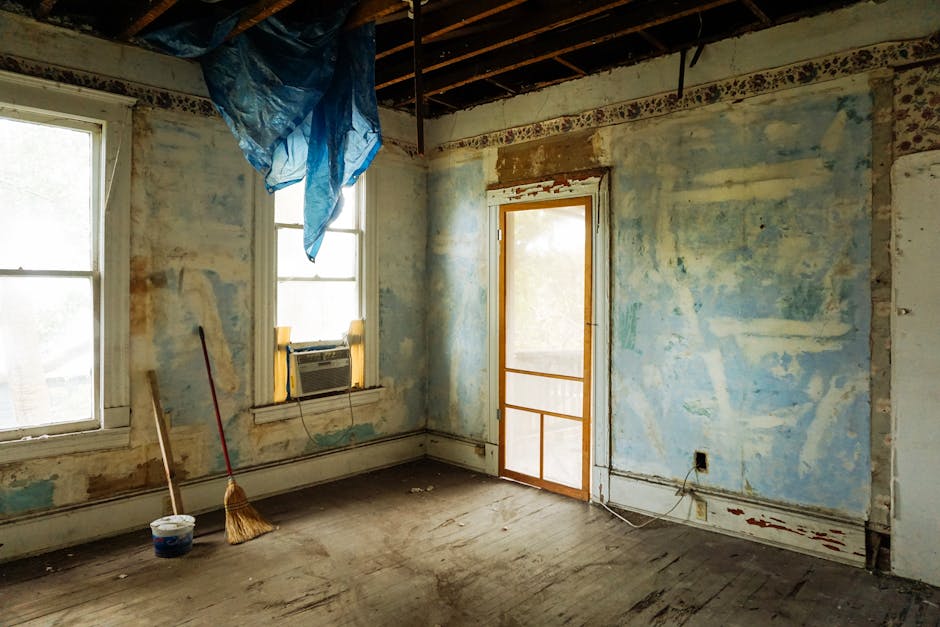
Water damage mold remediation Tampa services address urgent risks like structural decay, health hazards, and mold growth caused by flooding or leaks. In Tampa, FL, the humid climate increases the chance of mold infestations, making swift and thorough remediation crucial.
Homeowners facing water damage should expect professional contractors to assess moisture levels, remove affected materials, and apply anti-microbial treatments to prevent further contamination. Local experts typically utilize advanced drying equipment and follow strict protocols to ensure complete restoration.
Ignoring signs of water intrusion can lead to costly repairs and persistent indoor air quality issues. Understanding the scope of water damage mold remediation Tampa services helps property owners make informed decisions when selecting qualified companies for effective cleanup and restoration.
Quick Takeaways on Water Damage and Mold Remediation in Tampa, FL
- Water damage in Tampa often leads to mold growth within 24 to 48 hours if untreated.
- Mold remediation contractors in Tampa typically assess moisture sources and use specialized drying and removal methods.
- Local soil conditions and humidity levels increase the risk of structural decay without timely intervention.
- Homeowners should expect thorough inspection, containment, and air quality testing as part of professional remediation.
- Matching with vetted Tampa contractors ensures compliance with local codes and effective mold damage mitigation.
Understanding Water Damage and Mold Growth in Tampa’s Climate
Tampa, Florida experiences a humid subtropical climate characterized by high humidity levels and frequent rainfall. These climatic conditions create an environment highly conducive to water damage and subsequent mold growth in both residential and commercial properties.
The persistent moisture in the air often penetrates building materials, increasing the likelihood of structural decay and mold infestation.
Humidity levels in Tampa routinely exceed 70%, particularly during the summer months, while annual rainfall averages over 50 inches. This combination accelerates the deterioration of porous materials such as drywall, wood framing, and insulation.
Without prompt mitigation, trapped moisture fosters ideal conditions for damage mold colonies to develop within 24 to 48 hours, posing risks to indoor air quality and occupant health.
Local water damage remediation contractors typically emphasize the importance of thoroughly assessing moisture sources stemming from Tampa’s climate factors. These include:
- Heavy seasonal rains leading to leaks and flooding
- High humidity causing condensation on surfaces
- Poor ventilation trapping moisture indoors
- Storm-related water intrusion compromising building envelopes
Understanding how Tampa’s unique climate drives water damage and mold growth helps homeowners and business owners anticipate potential issues. Effective moisture assessment and control strategies tailored to this environment are essential for minimizing long-term property damage and preserving healthy indoor spaces.
Comprehensive Water Damage Restoration Services Available in Tampa
Local water damage restoration contractors in Tampa, FL typically begin the process with thorough water extraction to remove standing water caused by flooding or leaks. Using industrial-grade pumps and vacuums, these specialists efficiently eliminate moisture that can accelerate mold growth and structural decay.
Prompt extraction is critical in Tampa’s humid environment to mitigate prolonged water exposure and reduce secondary damage.
Following extraction, professional companies deploy advanced drying equipment such as high-velocity air movers and specialized dehumidification units. This combination targets residual moisture trapped within building materials, including drywall, flooring, and insulation. Dehumidification lowers indoor humidity levels, curbing conditions that promote damage mold.
Tampa’s high ambient humidity often necessitates extended drying phases to achieve optimal moisture removal.
Key Water Damage Restoration Steps for Tampa Properties
- Water Extraction: Removal of standing and pooled water using commercial-grade pumps and vacuums to prevent further damage.
- Drying Equipment Deployment: Application of air movers and heaters to accelerate evaporation from wet surfaces.
- Dehumidification: Use of industrial dehumidifiers to extract moisture from the air, reducing overall humidity below 60% to inhibit mold proliferation.
- Structural Repair: Assessment and repair of compromised building components such as framing, drywall, and flooring affected by water intrusion and prolonged moisture exposure.
Structural repair is a critical phase in water damage restoration for Tampa homes, where contractors evaluate the extent of damage to load-bearing elements. Repairs may involve replacing saturated drywall, reinforcing weakened wood framing, or addressing foundational issues caused by prolonged water exposure.
Given Tampa’s susceptibility to flooding and high humidity, restoration professionals often recommend comprehensive inspections to ensure all moisture sources have been addressed before completing repairs.
Professional Mold Remediation Techniques Tailored for Tampa Homes
Local mold remediation contractors in Tampa employ a variety of specialized techniques designed to effectively address mold contamination in residential properties. One fundamental method is containment, which isolates the affected area to prevent the spread of mold spores throughout the home.
This step is critical in Tampa's humid environment, where airborne spores can quickly colonize new surfaces if not properly contained.
HEPA filtration systems are commonly used during remediation to capture microscopic mold particles from the air, significantly improving indoor air quality. Tampa specialists often deploy these filters in conjunction with negative air machines to maintain a controlled environment and reduce cross-contamination.
This approach ensures that mold spores are removed from the air before, during, and after remediation activities.
Mold removal in Tampa homes typically involves physical cleaning, including HEPA vacuuming and wet wiping of surfaces with EPA-registered antimicrobial treatments. These treatments inhibit future mold growth by eliminating residual spores and fungal material.
In some cases, porous materials heavily infested with mold may require removal and replacement to fully mitigate structural decay risks.
Preventative Strategies Used by Tampa Mold Specialists
- Moisture control: Identifying and repairing leaks or water intrusion points to reduce mold-friendly environments.
- Humidity management: Utilizing dehumidifiers to maintain indoor humidity below recommended levels, typically under 60%, to inhibit mold proliferation.
- Ventilation improvements: Enhancing airflow in attics, crawl spaces, and bathrooms to prevent moisture accumulation.
- Regular inspections: Conducting periodic assessments for early detection of mold and moisture issues before they escalate.
Professional mold remediation services in Tampa focus on integrating these techniques and strategies to tailor solutions specific to each home's unique conditions.
Homeowners looking for effective remediation should expect contractors to combine containment, air filtration, thorough cleaning, and preventive measures to ensure long-term protection against mold growth exacerbated by Tampa’s climate.
Common Mistake to Avoid
Homeowners in Tampa, FL often underestimate the importance of addressing water damage promptly, leading to unchecked mold growth that compromises indoor air quality and accelerates structural decay. Delaying professional remediation allows moisture to penetrate deeper, increasing repair costs and health risks.
Engaging with experienced remediation contractors early is crucial to effectively halt water intrusion and prevent persistent humidity levels from sustaining mold colonies.
Health Risks and Property Damage Associated with Mold Exposure in Tampa
Exposure to mold spores in Tampa homes can trigger a variety of health risks, particularly for individuals sensitive to allergens. Tampa’s high humidity and frequent water intrusion create an environment where mold proliferates, increasing airborne spore concentrations that may lead to allergies, respiratory issues, and aggravation of asthma symptoms.
Prolonged exposure to mold can result in chronic health problems, including persistent coughing, nasal congestion, throat irritation, and even more severe respiratory distress in vulnerable populations such as children, the elderly, and those with compromised immune systems.
Homeowners should be aware that indoor air quality deterioration due to mold growth is a significant concern in Tampa’s climate.
Beyond health implications, mold infestation poses substantial property damage risks. Mold feeds on organic materials like wood, drywall, and insulation, accelerating structural decay if left untreated. This degradation compromises the integrity of affected building components, potentially leading to costly repairs and decreased property value.
Potential Consequences of Untreated Mold Exposure in Tampa Homes
- Worsening respiratory conditions caused by continuous inhalation of mold spores
- Deterioration of wooden structures such as framing, flooring, and cabinetry
- Damage to drywall and insulation, resulting in weakened walls and energy inefficiency
- Spread of mold colonies to hidden areas, complicating remediation efforts
Homeowners in Tampa should prioritize addressing visible signs of mold promptly to mitigate these health hazards and prevent extensive property damage. Professional remediation contractors typically emphasize early detection and thorough treatment to safeguard both indoor environments and structural components.
Choosing the Right Water Damage and Mold Remediation Company in Tampa
Homeowners seeking water damage and mold remediation services in Tampa, FL should prioritize companies with recognized industry certifications, such as IICRC certification.
This credential indicates adherence to established standards for mold remediation and water damage restoration, ensuring that contractors employ proper drying equipment and techniques tailored to Tampa's high humidity environment.
In addition to certification, selecting licensed contractors is crucial for compliance with local regulations and for safeguarding against substandard work. Experienced companies familiar with Tampa's unique challenges, including moisture sources common in subtropical climates, typically provide more reliable remediation outcomes and help mitigate risks of recurrent mold growth.
Key Criteria When Choosing Tampa Water Damage and Mold Remediation Contractors
- IICRC certification and relevant licenses confirming professional standards and regulatory compliance.
- Proven experience handling remediation projects in Tampa’s humid environment to address specific water intrusion and structural decay issues.
- and reviews that reflect satisfaction with the contractor’s thoroughness, communication, and effectiveness.
- Response time capability aligned with industry expectations to limit ongoing damage, though homeowners should verify this directly with providers.
Utilizing a vetted lead matching service can connect property owners with reputable remediation contractors in Tampa who meet these criteria. This approach helps ensure that the chosen company has the appropriate qualifications and local expertise to restore indoor air quality and protect property value effectively.
Pro Tip
Homeowners in Tampa, FL should monitor indoor humidity levels closely, aiming to keep them below 60% to inhibit mold growth. Promptly addressing water intrusion and using professional-grade drying equipment can significantly reduce the risk of extensive structural decay.
Partnering with experienced remediation contractors familiar with Tampa’s humid climate ensures tailored solutions that protect both property integrity and indoor air quality.
Cost Factors and Insurance Considerations for Water Damage and Mold Remediation in Tampa
Homeowners in Tampa, FL seeking water damage and mold remediation should understand the various cost factors influencing overall expenses. Typical costs depend on the extent of water intrusion, affected square footage, and the severity of mold growth.
Additional elements such as the need for specialized drying equipment, removal of damaged materials, and structural repairs can significantly impact the final cost estimate.
Insurance claims play a critical role in mitigating out-of-pocket expenses for Tampa property owners. Many standard homeowner policies cover sudden and accidental water damage but often exclude damage caused by neglect or long-term moisture issues.
Mold remediation coverage varies widely; some insurers offer limited mold-related benefits, while others require separate endorsements. Property owners should carefully review their policies and consult with insurance adjusters to clarify coverage specifics before initiating remediation.
Key Cost and Insurance Considerations for Tampa Property Owners
- Damage severity: Costs rise with increasing water damage and mold infestation levels.
- Materials affected: Removal and replacement of drywall, flooring, and insulation add to expenses.
- Remediation methods: Advanced mold remediation techniques may require additional investment.
- Insurance policy limits: Coverage caps and deductibles influence out-of-pocket costs.
- Documentation: Detailed records and professional cost estimates support successful insurance claims.
- Financial assistance: Some Tampa homeowners may qualify for local or state programs providing aid for remediation projects.
Property owners in Tampa are encouraged to obtain multiple cost estimates from reputable contractors to compare pricing and scope of work. Leveraging insurance benefits effectively requires prompt notification of damage and thorough documentation of all repairs.
Additionally, exploring available financial assistance options can help alleviate the burden of unexpected remediation expenses, ensuring Tampa homes are restored to safe, habitable conditions.
Preventative Measures to Protect Tampa Properties from Water Damage and Mold
Property owners in Tampa, FL can significantly reduce the risk of water damage and mold growth by implementing targeted preventative maintenance strategies. Given Tampa’s high humidity and frequent rain, ensuring proper ventilation and effective waterproofing are critical components of protecting indoor environments.
Professional contractors in Tampa typically recommend routine inspections of roofs, gutters, and downspouts to prevent water intrusion. Maintaining clear drainage paths minimizes the potential for standing water near foundations, which can lead to structural decay and create ideal conditions for mold proliferation.
Additionally, sealing cracks and applying waterproof coatings to exterior walls and basements can further shield properties from moisture infiltration.
Key Preventative Tips for Tampa Homes
- Enhance Ventilation: Use exhaust fans in bathrooms, kitchens, and laundry areas to reduce indoor humidity levels, thereby limiting mold-friendly environments.
- Regular Maintenance: Schedule periodic checks of plumbing systems and appliances to identify leaks early and address them before causing water damage.
- Install Vapor Barriers: In crawl spaces and basements, vapor barriers help control ground moisture, reducing the likelihood of mold growth under floors.
- Control Indoor Humidity: Utilize dehumidifiers during Tampa’s humid months to maintain indoor air quality and inhibit mold spores from settling.
- Landscape Grading: Ensure soil slopes away from the home’s foundation to prevent pooling water and minimize water intrusion.
Homeowners looking to safeguard their properties should expect these preventative measures to be part of comprehensive maintenance plans offered by local experts. Taking proactive steps helps mitigate the costly consequences of unchecked water damage and mold growth common in Tampa’s challenging climate.
Water Damage and Mold Remediation Services in Tampa, FL
| Service Type | Cost Range | Typical Timeline |
|---|---|---|
| Water Extraction and Drying | $500 - $3,000 | 24 to 48 hours |
| Mold Inspection and Testing | $300 - $1,000 | 1 to 2 days |
| Mold Remediation and Removal | $1,000 - $6,000 | 3 to 7 days |
| Structural Repairs Post-Water Damage | $2,000 - $15,000 | 1 to 3 weeks |
| Preventative Treatments and Sealants | $500 - $2,500 | 1 to 3 days |
Frequently Asked Questions
How long does mold remediation take?
Most mold remediation projects in Tampa typically last between 1 to 3 weeks, depending on the extent of mold growth and affected areas. Factors such as humidity levels and water intrusion severity influence the duration.
Contractors usually perform thorough drying and containment to prevent further mold spores spread during this period.
What are common signs of water damage in a home?
Common water damage indicators include visible stains or discoloration on walls, ceilings, or floors, a musty odor from mold growth, warping or buckling of materials, and increased indoor humidity. Property owners should also watch for peeling paint or wallpaper and structural decay signs that suggest hidden moisture issues.
Can mold grow back after remediation?
Mold can return if underlying causes like persistent water intrusion or elevated indoor humidity are not addressed. Proper remediation contractors emphasize controlling moisture sources and using effective drying equipment. Tampa’s humid climate requires ongoing vigilance to maintain low humidity levels and prevent recurrent mold spores colonization.
How do mold remediation contractors ensure indoor air quality?
Professional contractors typically use specialized air filtration systems and containment methods to limit mold spores spread during remediation. They also deploy industrial-grade drying equipment to reduce humidity levels. These steps help protect indoor air quality, minimizing health risks associated with exposure to airborne mold spores.
What should homeowners expect during the water damage restoration process?
Homeowners can expect a comprehensive approach involving assessment, water extraction, and structural drying. Contractors use advanced drying equipment to control humidity levels. The process often includes removal of damaged materials prone to mold growth.
Timely intervention is critical to prevent extensive structural decay and improve the overall safety of Tampa homes.
Effective water damage and mold remediation in Tampa, FL requires prompt action and professional expertise to mitigate humidity levels and prevent structural decay. Property owners should rely on experienced contractors Tampa trusts to assess the extent of mold spores contamination and implement thorough drying equipment use for lasting results.
Get matched with vetted Mold Remediation in Tampa, FL via our -matching form to connect with qualified local experts ready to support your property’s recovery and safeguard indoor air quality.