The black mold removal process Tampa homeowners face can be complex and critical for health and property safety. Black mold spores thrive in the humid Florida climate, often hidden behind walls or under flooring, causing allergic reactions and structural damage.
Professional remediation steps focus on thorough inspection, containment, and elimination of mold colonies while preventing cross-contamination. Homeowners looking for effective black mold removal in Tampa should understand that improper handling risks spreading spores, worsening indoor air quality, and increasing repair costs.
The process typically involves moisture control, removal of affected materials, and treatment with specialized antifungal agents. Recognizing the signs early and engaging experienced contractors can protect your Tampa home from the costly consequences of unchecked mold growth and ensure a safer living environment for your family.
Why It Matters in Tampa
Black mold removal in Tampa is especially critical due to the city’s humid subtropical climate and frequent heavy rainfall, which create ideal conditions for mold growth. Homes in Tampa often face high moisture levels and poor ventilation, increasing the risk of extensive mold infestations.
Proper mold removal is essential to prevent health hazards such as respiratory issues and allergic reactions, which are common in this region. Additionally, structural damage caused by unchecked mold can lead to costly repairs, making professional remediation a crucial step for Tampa homeowners.
Identifying Black Mold in Tampa Homes: Signs and Health Risks
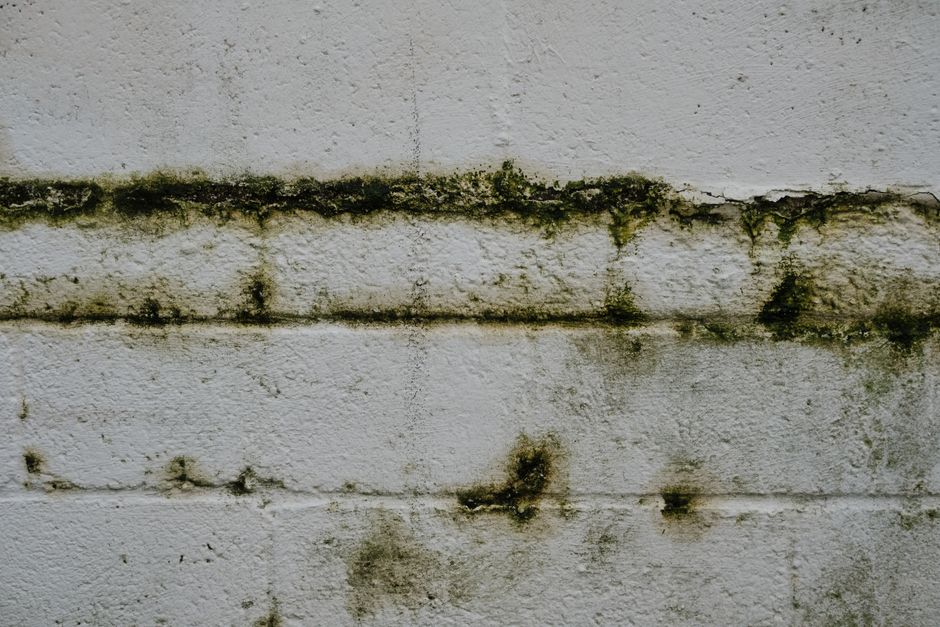
Homeowners in Tampa should be vigilant for visible signs of black mold, which often appears as dark green or black patches on walls, ceilings, or around windows. This mold growth thrives in damp, poorly ventilated areas such as bathrooms, basements, and under sinks.
In addition to discoloration, a musty or earthy odor is a common indicator of an underlying mold infestation. Early recognition of these symptoms is crucial to prevent extensive structural damage and costly repairs.
Black mold in Tampa homes poses significant health risks, especially when left unchecked. Exposure can trigger allergic reactions such as sneezing, skin irritation, and red eyes. More severe consequences include respiratory issues like coughing, wheezing, and exacerbated asthma symptoms.
Vulnerable groups, including children, elderly individuals, and those with compromised immune systems, face heightened risks from prolonged contact with mold spores.
Common Signs of Black Mold Infestation
- Visible discoloration: Dark black or green patches on walls, ceilings, or flooring.
- Musty odors: Persistent earthy smell indicating hidden mold behind surfaces.
- Water damage: Peeling paint, warped drywall, or condensation buildup.
- Health symptoms: Frequent allergy-like reactions or unexplained respiratory problems among household members.
Initial Inspection and Assessment Process for Black Mold Removal in Tampa
Professional mold inspection contractors in Tampa begin the black mold removal journey with a thorough evaluation of the affected property. This initial inspection focuses on identifying visible mold patches on walls, ceilings, and other surfaces, while also detecting less obvious signs of mold infestation.
Experts use specialized tools to detect moisture levels, as moisture assessment is critical for understanding the extent of mold growth and potential hidden colonies.
During this phase, inspectors gather information about the building materials, ventilation conditions, and any water intrusion history. Tampa’s humid climate often exacerbates mold proliferation, making a comprehensive evaluation essential.
Professional assessment teams typically employ moisture meters, infrared cameras, and air quality testing devices to measure mold spores concentration and moisture pockets within walls and crawl spaces.
Key Steps in the Mold Inspection and Assessment Process
- Visual examination: Identifying visible mold patches and water damage signs on surfaces.
- Moisture measurement: Using meters to locate damp areas conducive to mold growth.
- Air sampling: Collecting air samples to quantify airborne mold spores and assess contamination levels.
- Material sampling: Taking swabs or bulk samples from suspected areas for lab analysis.
- Documenting findings: Creating detailed reports outlining affected zones, moisture sources, and severity.
This comprehensive professional assessment enables Tampa homeowners to understand the full scope of the mold problem before remediation begins. Identifying hidden mold colonies and moisture issues early helps prevent structural damage and reduces risks of prolonged exposure to harmful spores.
Local contractors typically use this data to tailor effective removal strategies that address both visible mold and underlying causes.
Common Mistake to Avoid
One common mistake Tampa homeowners make during black mold removal is attempting to clean visible mold colonies without addressing underlying moisture levels. This oversight often leads to unchecked mold growth returning quickly, causing ongoing air quality issues and potential structural damage.
Proper remediation requires thorough moisture control alongside mold elimination to ensure lasting results.
Step-by-Step Black Mold Removal Process Followed by Tampa Specialists
Local black mold removal process in Tampa homes typically begins with establishing strict containment measures. This step is crucial to prevent the spread of mold spores to unaffected areas, which can exacerbate mold growth and pose health risks.
Contractors usually seal off the affected zones using plastic sheeting and negative air pressure systems to isolate mold colonies from the rest of the residence.
Following containment, professional teams focus on the physical remediation and cleaning of contaminated materials. Porous items such as drywall, insulation, and ceiling tiles often require removal and disposal due to irreversible mold infestation.
Non-porous surfaces are cleaned using specialized antimicrobial agents designed to eliminate black mold while minimizing damage to building materials common in Tampa homes.
The subsequent phase involves thorough drying and moisture control, essential for preventing future mold growth. Tampa’s humid climate often contributes to elevated moisture levels, so remediation contractors typically employ industrial dehumidifiers and ventilation systems.
This ensures that affected areas return to safe humidity thresholds, reducing the risk of recurring structural damage.
Summary of Key Steps in Tampa Black Mold Removal
- Containment: Isolate affected areas using plastic barriers and negative air pressure to control spore spread.
- Removal: Dispose of porous materials contaminated by mold colonies to eliminate sources of infestation.
- Cleaning: Apply antimicrobial treatments on salvageable surfaces to eradicate visible mold and spores.
- Drying and Moisture Control: Use dehumidifiers and ventilation to lower moisture levels critical in Tampa’s climate.
Post-Removal Prevention and Remediation Strategies to Avoid Mold Recurrence in Tampa Homes
Effective mold prevention in Tampa homes requires proactive measures targeting the root causes of mold growth, primarily excess moisture and poor ventilation. After professional black mold removal, maintaining optimal humidity levels below 60% is essential to inhibit mold spores from re-establishing colonies on walls, ceilings, or other surfaces.
Tampa's humid climate often exacerbates moisture buildup, so continuous monitoring is crucial.
Ventilation improvements play a pivotal role in reducing indoor moisture. Homeowners should ensure that bathrooms, kitchens, and laundry areas are equipped with exhaust fans that vent outdoors. Additionally, opening windows when weather permits can enhance air circulation, preventing stagnant, humid environments conducive to mold infestation.
Key Post-Removal Strategies for Tampa Homeowners
- Regular home maintenance: Inspect and repair leaks in plumbing, roofing, and exterior walls promptly to prevent water intrusion that fosters mold colonies.
- Use of dehumidifiers: Deploy dehumidifiers in basements, crawl spaces, or other damp areas to maintain consistent humidity control.
- Cleaning and upkeep: Keep gutters clear and ensure proper grading around the foundation to direct water away from the home’s structure.
- Material selection: Opt for mold-resistant paints and building materials during renovations or repairs to enhance long-term resilience.
By implementing these comprehensive post-removal prevention strategies, Tampa homeowners can significantly reduce the risk of mold recurrence. Consistent vigilance combined with moisture management and ventilation optimization ensures healthier indoor air quality and protects the structural integrity of Tampa residences against future black mold challenges.
How Black Mold Is Removed: Step by Step in Tampa Homes
| Service Type | Cost Range | Typical Timeline |
|---|---|---|
| Initial Mold Inspection and Testing | $200 - $600 | 1 - 2 days |
| Containment and Air Filtration Setup | $300 - $900 | 1 day |
| Removal of Mold-Infested Materials | $500 - $3,000 | 2 - 4 days |
| Cleaning and Disinfection of Affected Areas | $400 - $1,200 | 1 - 3 days |
| Post-Removal Air Quality Testing and Clearance | $150 - $500 | 1 day |
Frequently Asked Questions
How long does black mold removal usually take in Tampa homes?
Typical black mold removal in Tampa homes spans from 1 to 3 days, depending on the extent of mold infestation and affected areas like walls and ceilings. Larger or more severe cases may require up to 4 days to fully address mold colonies and ensure safe air quality.
What methods do contractors use to remove black mold safely?
Professional contractors often employ containment techniques to prevent mold spores from spreading, combined with HEPA filtration and specialized cleaning agents. Removal includes physically eliminating visible mold, treating surfaces with antimicrobial products, and addressing underlying moisture levels to inhibit further growth.
Is it necessary to remove building materials during black mold remediation?
In many cases, removal of porous materials like drywall or insulation is required if they are heavily contaminated. This prevents mold growth recurrence and structural damage. Contractors assess affected walls, ceilings, and other elements to determine if partial or full material replacement is necessary for effective remediation.
How do professionals ensure that mold spores do not spread during removal?
Containment barriers and negative air pressure systems are typically used to isolate the work area. These methods limit the spread of airborne mold spores, protecting unaffected parts of the home. Additionally, thorough cleaning and air filtration help maintain safe indoor air quality throughout the process.
What steps follow mold removal to prevent future infestations?
Post-removal strategies focus on controlling moisture levels through improved ventilation and repairing leaks. Tampa homeowners should expect recommendations for ongoing monitoring, humidity control, and possibly applying mold-resistant paints or coatings to vulnerable surfaces to reduce the risk of new mold colonies.
Understanding the detailed steps involved in black mold removal helps Tampa homeowners recognize the importance of professional intervention to address mold infestations, protect indoor air quality, and prevent further structural damage. Effective remediation targets both visible mold colonies and underlying moisture issues, ensuring a comprehensive approach to safeguarding Tampa homes.
For those seeking reliable assistance, local Tampa experts provide thorough assessments and tailored solutions for lasting mold control. Get matched with vetted Mold Remediation in Tampa, FL via our to connect with qualified professionals ready to help.